


This Game Is Brought to You by the Myuz Center for Psychological Support — Gaza يقدم لكم هذه اللعبة مركز ميوز للدعم النفسي في غزة

Ahmed “Myuz” is a volunteer activist and community organizer in Gaza who works to create safe, positive spaces for children living through extremely difficult circumstances. The Myuz Center for Psychological Support uses games, creative activities, entertainment, competitions, and community programs to help children experience moments of joy, connection, and emotional support. Flipping the World for Palestine is inspired by that same idea: children can learn about the wider world through curiosity, play, history, and discovery while being reminded that education can also be a place for imagination and hope. أحمد «ميوز» ناشط متطوع ومنظم مجتمعي في غزة يعمل على إنشاء مساحات آمنة وإيجابية للأطفال الذين يعيشون ظروفًا بالغة الصعوبة. يستخدم مركز ميوز للدعم النفسي الألعاب والأنشطة الإبداعية والترفيه والمسابقات والبرامج المجتمعية لمساعدة الأطفال على عيش لحظات من الفرح والتواصل والدعم العاطفي. وقد استُلهمت لعبة «قلب العالم من أجل فلسطين» من الفكرة نفسها: يمكن للأطفال التعرف إلى العالم الأوسع من خلال الفضول واللعب والتاريخ والاكتشاف، مع تذكيرهم بأن التعليم يمكن أن يكون أيضًا مساحة للخيال والأمل.

Flipping the World For Palestine نقلب العالم من أجل فلسطين

Guess each country's flag. Get the answer right, and flip the card to learn a few facts about that country. خمّن علم كل دولة. أجب بشكل صحيح واقلب البطاقة لتتعلم بعض الحقائق عن تلك الدولة.

Flag of China

The Great Wall of China

The Great Wall of Chinaسور الصين العظيم

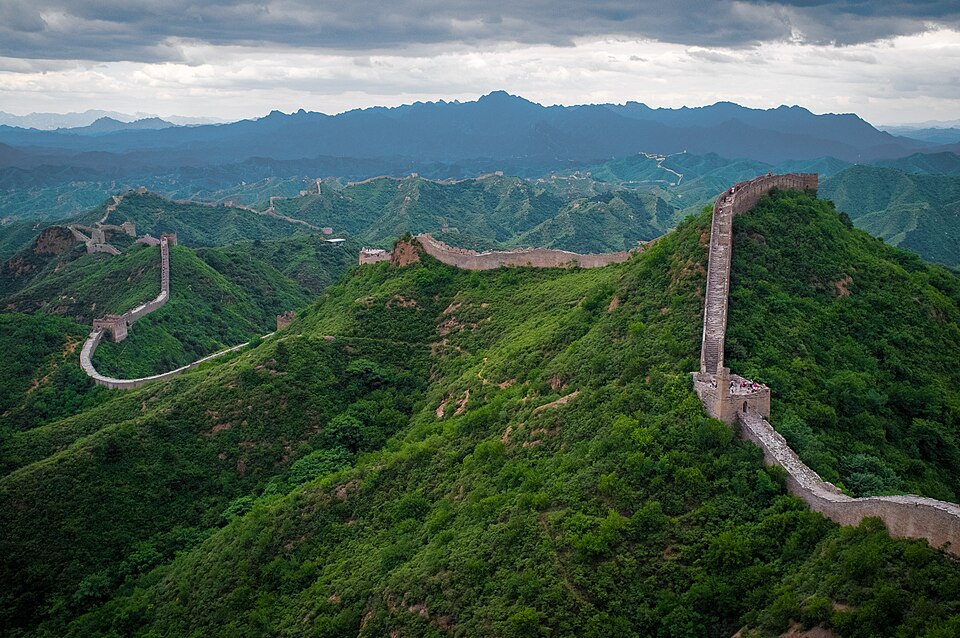
The Great Wall of China is one of the largest building projects ever created. Different parts of the wall were built over many centuries to protect communities and borders in northern China. Earlier walls were connected during the rule of Qin Shi Huang around the third century BCE, and construction continued through later dynasties. The wall includes watchtowers, fortresses, paths, and defensive barriers stretching across mountains and valleys. Today, the Great Wall represents thousands of years of Chinese history, engineering, culture, and determination. يُعد سور الصين العظيم أحد أكبر مشروعات البناء في التاريخ. بُنيت أجزاء مختلفة من السور على مدى قرون لحماية المجتمعات والحدود في شمال الصين. وقد رُبطت الأسوار القديمة في عهد تشين شي هوانغ نحو القرن الثالث قبل الميلاد، واستمر البناء في عصور لاحقة. يضم السور أبراج مراقبة وحصونًا وممرات وحواجز دفاعية تمتد عبر الجبال والوديان. ويمثل اليوم آلاف السنين من التاريخ والهندسة والثقافة والعزيمة الصينية.
Flag of Turkey

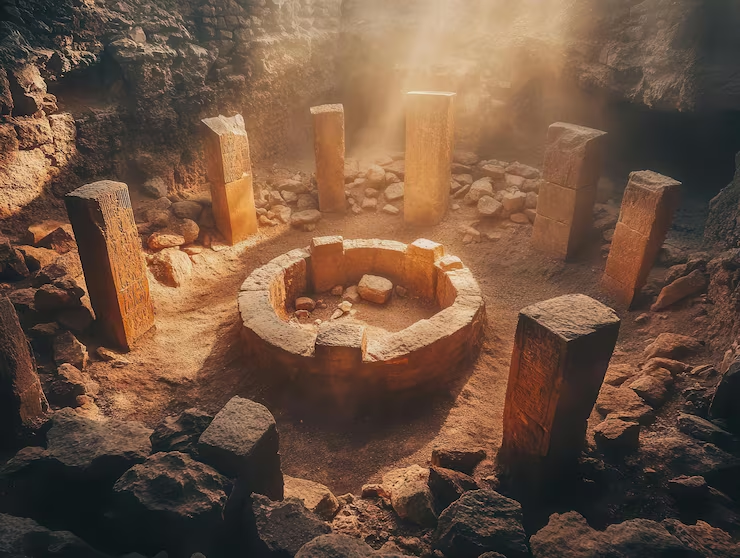
Göbekli Tepe archaeological site in Turkey

Göbekli Tepeغوبكلي تبه

Göbekli Tepe in southeastern Turkey is one of the world's oldest known monumental sites. Hunter-gatherers began building its enormous stone structures more than 11,000 years ago, long before many later ancient civilizations developed. The site contains large T-shaped limestone pillars, some decorated with carvings of wild animals. Archaeologists believe people gathered here for important social activities and rituals. Göbekli Tepe is especially fascinating because it was constructed during the period when humans were beginning the major transition from hunter-gathering toward settled farming communities. تقع غوبكلي تبه في جنوب شرق تركيا، وهي واحدة من أقدم المواقع الأثرية الضخمة المعروفة في العالم. بدأ الصيادون وجامعو الثمار بناء منشآتها الحجرية الهائلة قبل أكثر من 11 ألف عام، قبل ظهور كثير من الحضارات القديمة اللاحقة. يضم الموقع أعمدة حجرية جيرية على شكل حرف T، زُين بعضها بنقوش لحيوانات برية. ويعتقد علماء الآثار أن الناس كانوا يجتمعون هناك للأنشطة الاجتماعية والطقوس المهمة. وتزداد أهمية الموقع لأنه بُني في فترة بدأ فيها البشر الانتقال من الصيد والجمع إلى مجتمعات الزراعة المستقرة.

Flag of Russia

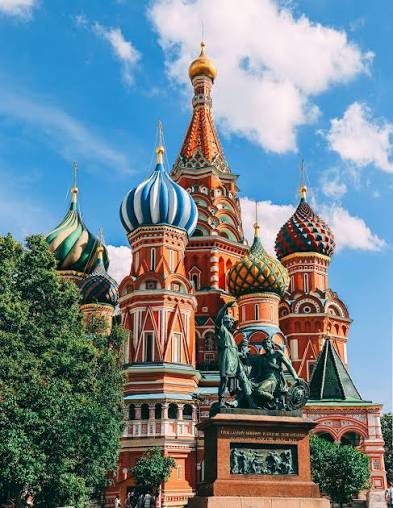
Historic architecture in Moscow, Russia

Historic Architecture of Moscowالعمارة التاريخية في موسكو

Moscow's Kremlin and Red Square tell centuries of Russian history through architecture. The Kremlin developed from an early fortified settlement and later became an important political and religious center. Inside its walls are palaces, churches, towers, and cathedrals built during different periods of Russian history. Nearby, Red Square is home to the famous St. Basil's Cathedral, easily recognized by its colorful towers and domes. Together, these buildings demonstrate how architecture can preserve the political, religious, artistic, and cultural history of a city across many generations. يحكي كرملين موسكو والساحة الحمراء قرونًا من التاريخ الروسي من خلال العمارة. نشأ الكرملين من مستوطنة محصنة قديمة، ثم أصبح مركزًا سياسيًا ودينيًا مهمًا. وتضم أسواره قصورًا وكنائس وأبراجًا وكاتدرائيات بُنيت في فترات مختلفة من التاريخ الروسي. وبالقرب منه تقع كاتدرائية القديس باسيل الشهيرة، التي تتميز بأبراجها وقبابها الملونة. وتوضح هذه المباني معًا كيف يمكن للعمارة أن تحفظ التاريخ السياسي والديني والفني والثقافي لمدينة عبر أجيال كثيرة.

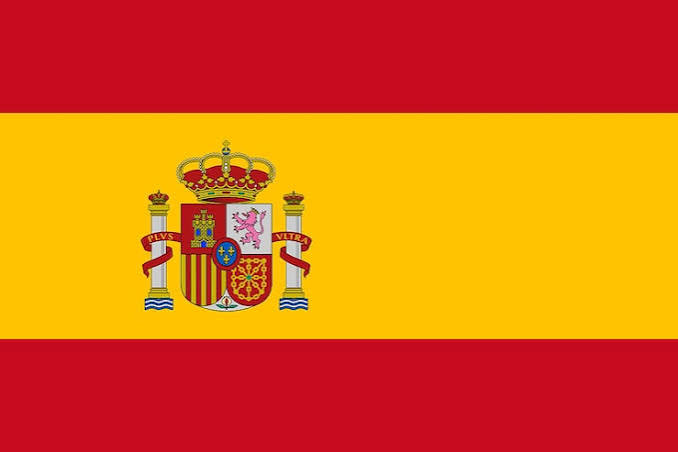
Flag of Spain

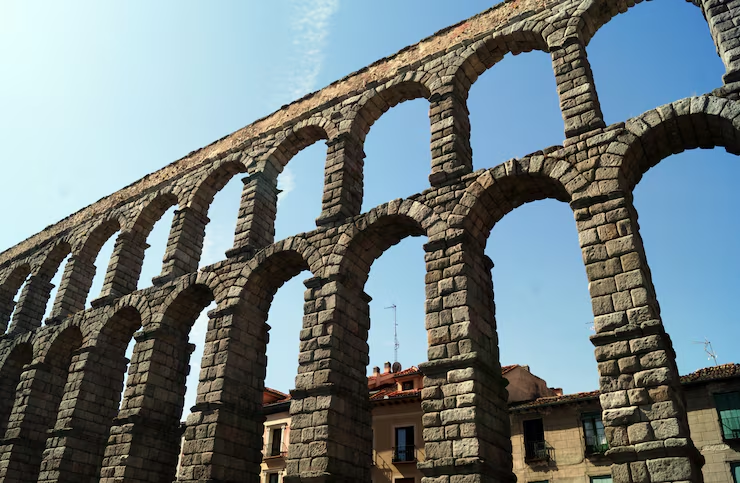
Roman Aqueduct of Segovia in Spain

Aqueduct of Segoviaقناة مياه سيغوفيا

The Aqueduct of Segovia is an extraordinary example of Roman engineering that has survived for nearly two thousand years. Built around the first century CE, the aqueduct carried water into the Spanish city of Segovia. Its enormous stone structure stretches for hundreds of meters and includes two levels of graceful arches. Thousands of carefully placed granite blocks were used to construct it, and the famous section was assembled without mortar holding the stones together. Its survival shows the remarkable engineering knowledge and building skills developed during the Roman era. تُعد قناة مياه سيغوفيا مثالًا استثنائيًا على الهندسة الرومانية التي صمدت قرابة ألفي عام. بُنيت نحو القرن الأول الميلادي لنقل المياه إلى مدينة سيغوفيا الإسبانية. ويمتد هيكلها الحجري الضخم مئات الأمتار، ويضم مستويين من الأقواس الرشيقة. استُخدمت آلاف الكتل الجرانيتية الموضوعة بعناية في بنائها، وشُيد الجزء الشهير من دون ملاط يثبت الحجارة. ويُظهر بقاؤها المعرفة الهندسية ومهارات البناء المذهلة في العصر الروماني.

Flag of Pakistan

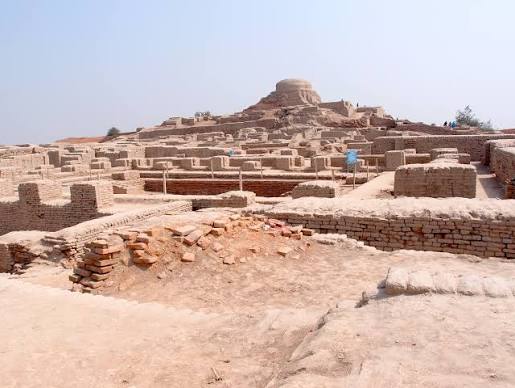
Mohenjo-daro archaeological site in Pakistan

Mohenjo-daroموهينجو دارو

Mohenjo-daro was one of the great cities of the ancient Indus civilization in what is now Pakistan. Built during the third millennium BCE, the city shows that ancient people understood advanced urban planning. Streets were arranged in an organized pattern, buildings were constructed largely from brick, and residents had access to wells and an impressive drainage and sanitation system. Archaeologists also discovered public buildings and bathing areas. Mohenjo-daro reminds us that sophisticated cities and civic engineering existed in South Asia thousands of years before the modern world. كانت موهينجو دارو إحدى المدن الكبرى لحضارة وادي السند القديمة في المنطقة التي تُعرف اليوم بباكستان. بُنيت خلال الألفية الثالثة قبل الميلاد، وتُظهر أن القدماء فهموا التخطيط الحضري المتقدم. كانت الشوارع منظمة، وبُنيت المباني إلى حد كبير من الطوب، وتمتع السكان بالآبار وبنظام مدهش لتصريف المياه والصرف الصحي. كما اكتشف علماء الآثار مباني عامة وأماكن للاستحمام. وتذكرنا موهينجو دارو بوجود مدن متطورة وهندسة مدنية في جنوب آسيا قبل آلاف السنين من العالم الحديث.

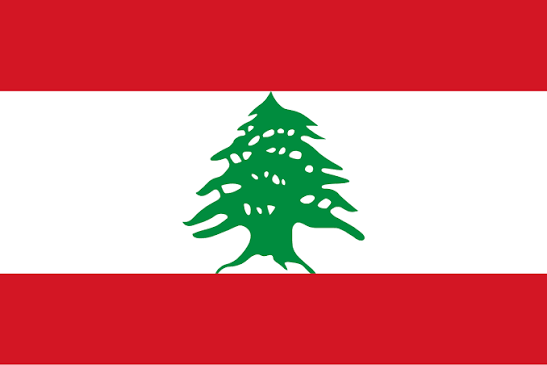
Flag of Lebanon

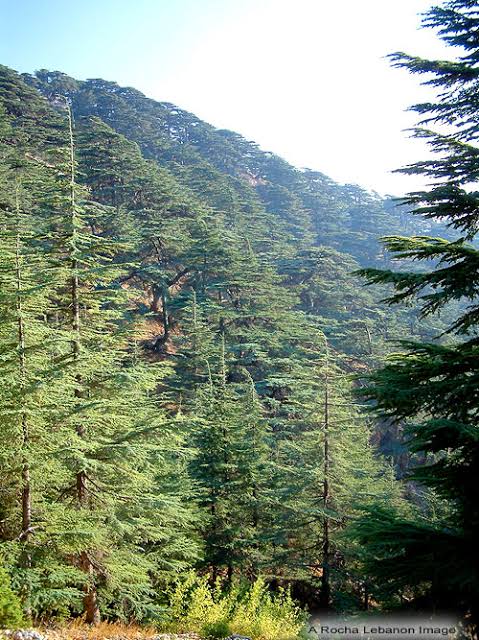
Cedars of God forest in Lebanon

The Cedars of Godأرز الرب

Lebanon's ancient cedar forests are living connections to thousands of years of history. Cedar wood from this region was highly valued throughout the ancient world and was used for important buildings and other major construction projects. Near the Qadisha Valley, the Forest of the Cedars of God preserves some of the remaining trees from the great cedar forests that once covered much larger areas. The Lebanese cedar became such an important symbol of the country's history, endurance, and natural heritage that a cedar tree appears at the center of Lebanon's national flag. ترتبط غابات الأرز القديمة في لبنان بآلاف السنين من التاريخ. كان خشب الأرز في هذه المنطقة ذا قيمة كبيرة في العالم القديم، واستُخدم في المباني المهمة ومشروعات البناء الكبرى. وبالقرب من وادي قاديشا، تحافظ غابة أرز الرب على بعض الأشجار الباقية من الغابات العظيمة التي كانت تغطي مساحات أوسع بكثير. وأصبح الأرز اللبناني رمزًا مهمًا لتاريخ البلاد وصمودها وتراثها الطبيعي، حتى ظهرت شجرة أرز في وسط علم لبنان الوطني.

Flag of Qatar

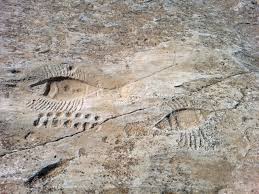
Al Jassasiya rock carvings in Qatar

Al Jassasiya Rock Carvingsنقوش صخور الجساسية

Al Jassasiya in northern Qatar is a remarkable outdoor collection of rock carvings called petroglyphs. Hundreds of markings have been carved into the rocky landscape, including cup-shaped patterns, boats, fish, rosettes, and other designs. The carvings provide clues about people who lived, traveled, worked, and traded in this region long ago. Images of traditional dhow boats are especially interesting because these vessels were important to life along the Arabian Gulf. Al Jassasiya allows visitors to see pieces of human history preserved directly in Qatar's landscape. الجساسية في شمال قطر مجموعة رائعة في الهواء الطلق من النقوش الصخرية المعروفة باسم النقوش الجيوغليفية. نُقشت مئات العلامات في المناظر الصخرية، ومنها أشكال تشبه الأكواب وقوارب وأسماك ووريدات وتصاميم أخرى. وتقدم النقوش أدلة على أشخاص عاشوا في هذه المنطقة وسافروا وعملوا وتاجروا فيها منذ زمن بعيد. وتتميز صور قوارب الداو التقليدية بأهمية خاصة لأنها كانت مهمة للحياة على طول الخليج العربي. وتتيح الجساسية للزوار رؤية أجزاء من التاريخ الإنساني محفوظة مباشرة في طبيعة قطر.

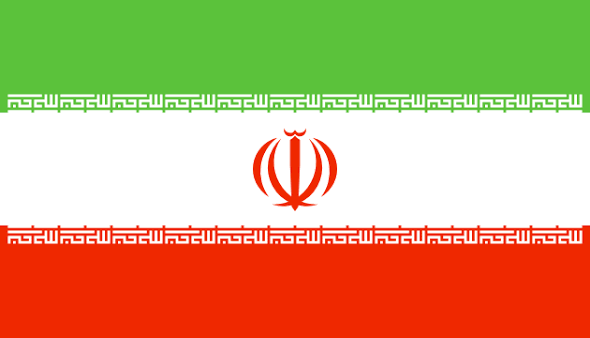
Flag of Iran

Ruins of Persepolis in Iran

Persepolisبرسبوليس

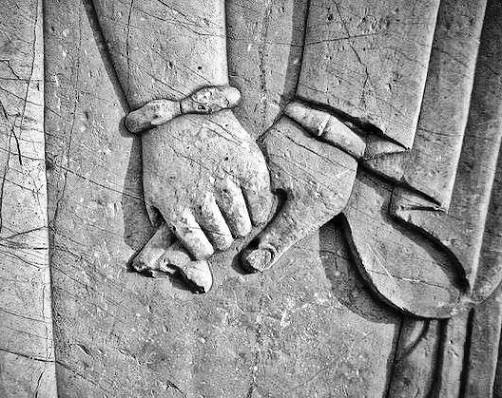
Persepolis was one of the great ceremonial cities of the ancient Persian Empire. Construction began around 518 BCE under Darius I, ruler of the Achaemenid Empire. The city was built on an enormous terrace and included grand stairways, halls, palaces, columns, gateways, and detailed stone carvings. Reliefs show people from different regions of the empire arriving with gifts and tribute. Persepolis demonstrates both the enormous reach of ancient Persia and the artistic and architectural skill of its builders. Its surviving ruins remain one of Iran's most important historical sites. كانت برسبوليس إحدى المدن الاحتفالية الكبرى في الإمبراطورية الفارسية القديمة. بدأ بناؤها نحو عام 518 قبل الميلاد في عهد داريوس الأول، حاكم الإمبراطورية الأخمينية. شُيدت المدينة على مصطبة هائلة، وضمت سلالم وقاعات وقصورًا وأعمدة وبوابات ونقوشًا حجرية دقيقة. وتُظهر النقوش أشخاصًا من مناطق مختلفة في الإمبراطورية وهم يقدمون الهدايا والجزية. وتوضح برسبوليس اتساع نفوذ فارس القديمة والمهارة الفنية والمعمارية لبناتها. ولا تزال أطلالها الباقية من أهم المواقع التاريخية في إيران.

Flag of Saudi Arabia

Al Naslaa rock formation near Tayma, Saudi Arabia

Al Naslaa Rockصخرة النصلة

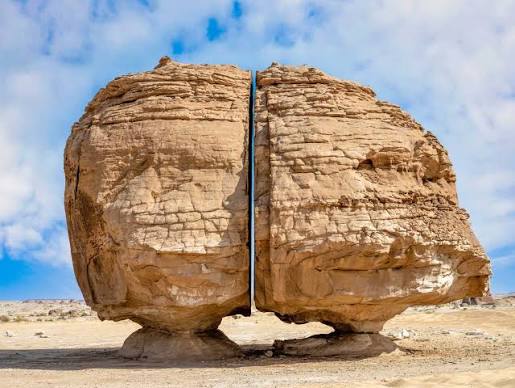
Al Naslaa is a remarkable rock formation near Tayma in northwestern Saudi Arabia. The enormous formation is divided into two sections by an unusually straight, narrow split, making it appear as though the stone was carefully cut in half. Natural weathering and geological processes shaped the formation over an extremely long period of time. Its surface also contains ancient inscriptions and drawings, including images of animals, connecting this natural landmark with the people who once traveled and lived in the region. Al Naslaa combines geology, archaeology, and human history in one place. النصلة تشكيل صخري مذهل قرب تيماء في شمال غرب المملكة العربية السعودية. ينقسم التشكيل الضخم إلى قسمين بفاصل ضيق ومستقيم على نحو غير مألوف، فيبدو كأن الحجر قُطع إلى نصفين بعناية. شكلت عوامل التجوية الطبيعية والعمليات الجيولوجية هذا التكوين خلال فترة زمنية طويلة جدًا. ويضم سطحه أيضًا نقوشًا ورسومًا قديمة، منها صور حيوانات، تربط هذا المعلم الطبيعي بالناس الذين سافروا وعاشوا في المنطقة قديمًا. وتجمع النصلة بين الجيولوجيا والآثار والتاريخ الإنساني في مكان واحد.