
Leslie Brockman is the founder of MPGA and an independent civic advocate focused on digital preservation, truth-centered storytelling, and public accountability. This page documents ongoing research, archived media, and project notes connected to Palestinian voices, civic engagement, and nonviolent digital advocacy.
Points of Discussion for Civic Engagement
Charity Research Notes
Source: Wear The Peace
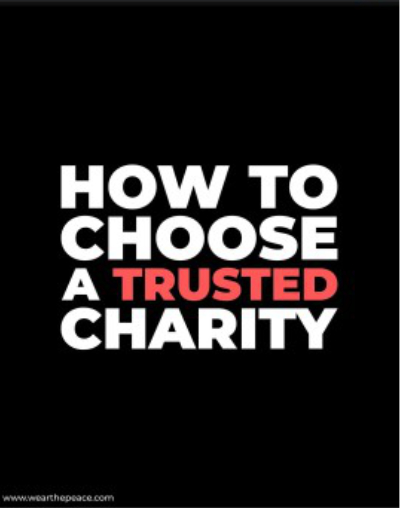
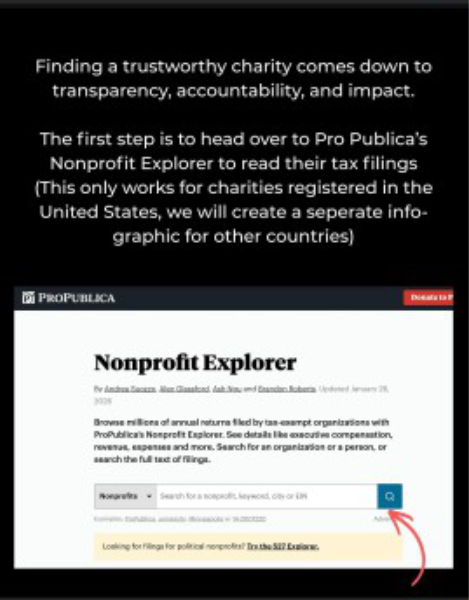
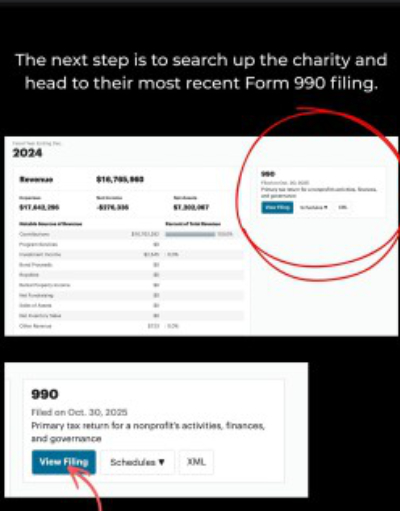
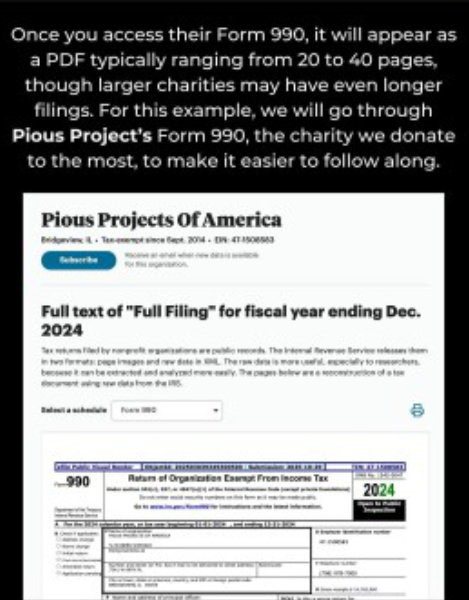
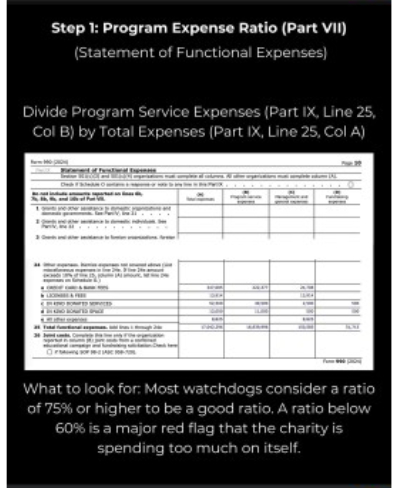
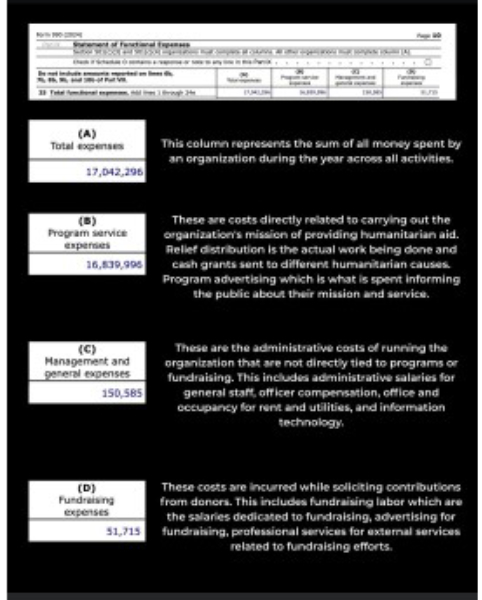
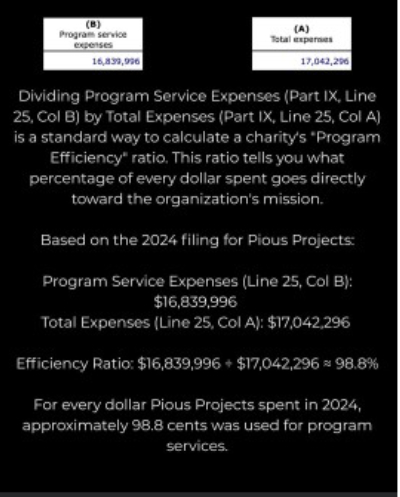
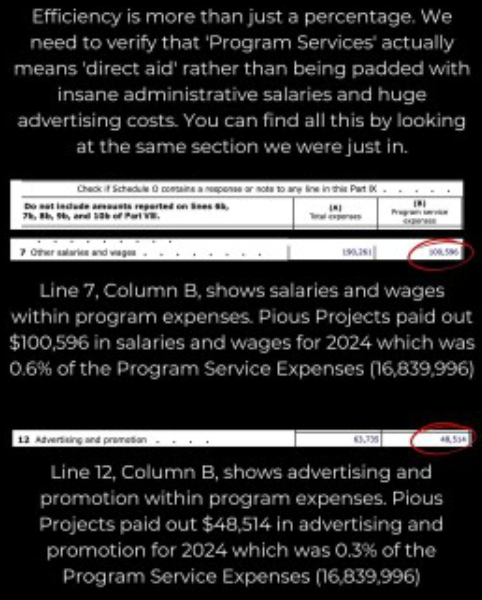
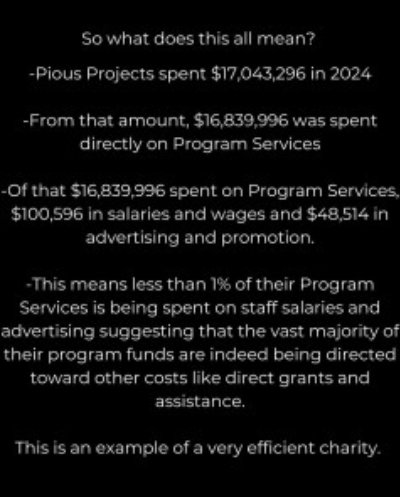
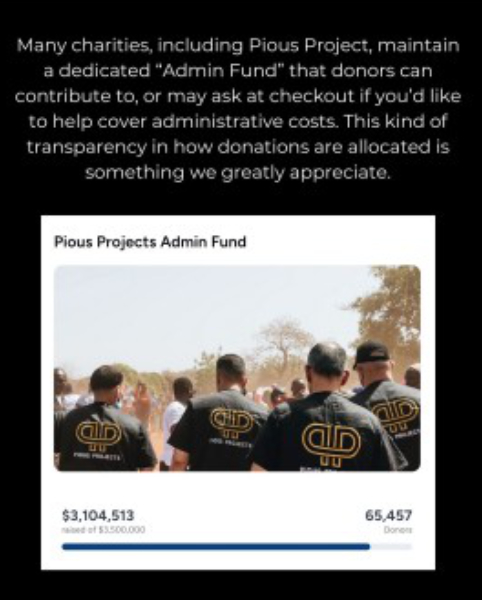
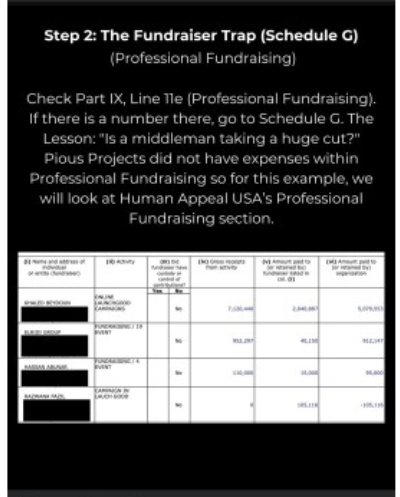
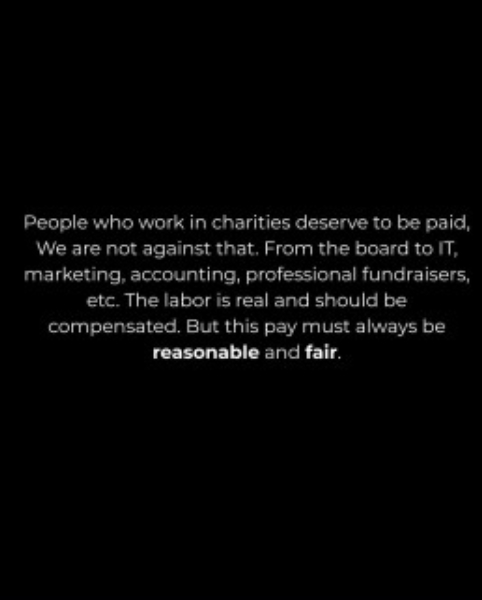
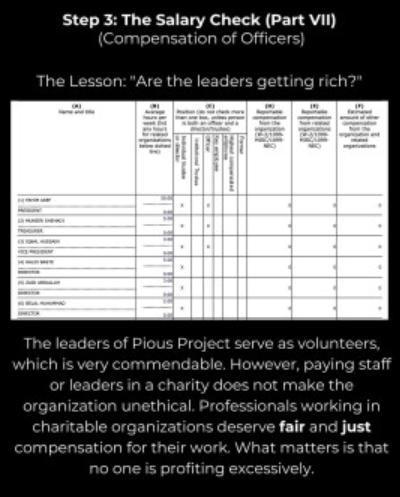
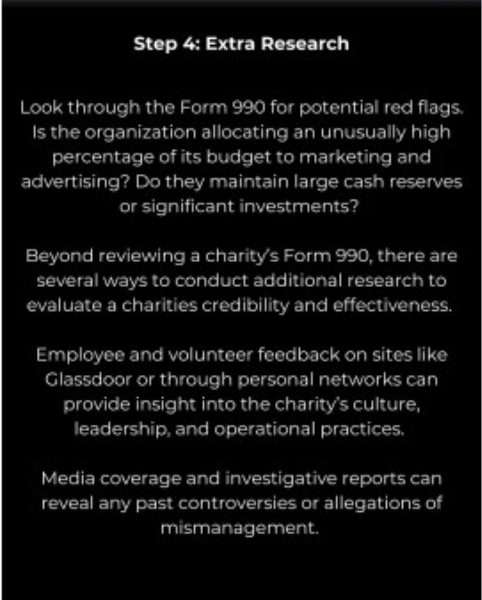
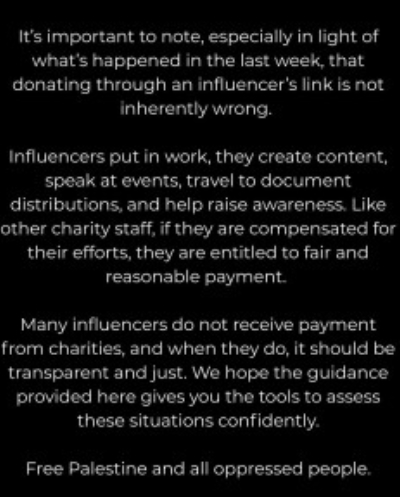
Screenshot Notes
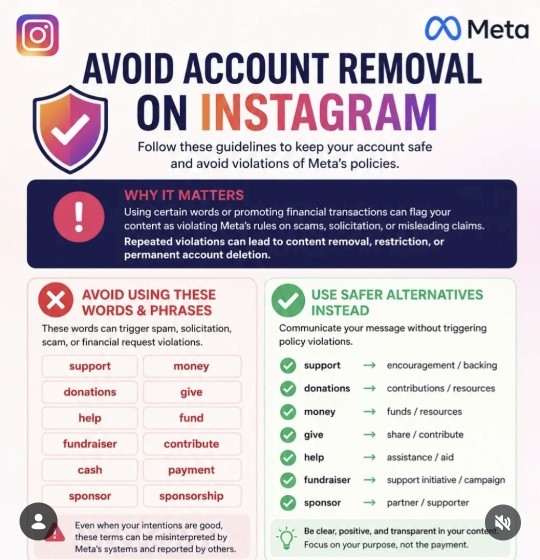
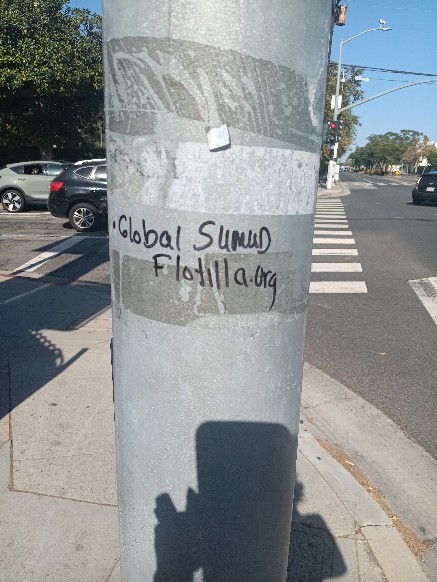
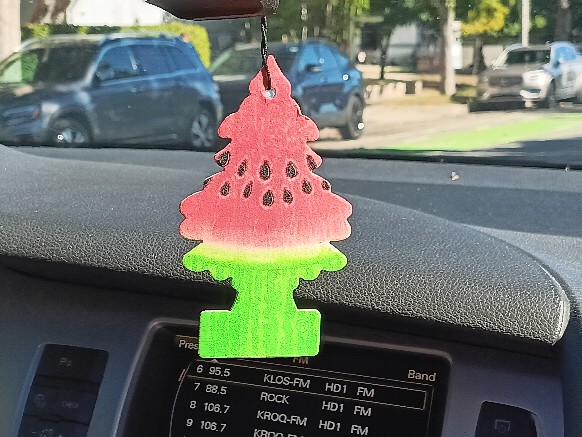
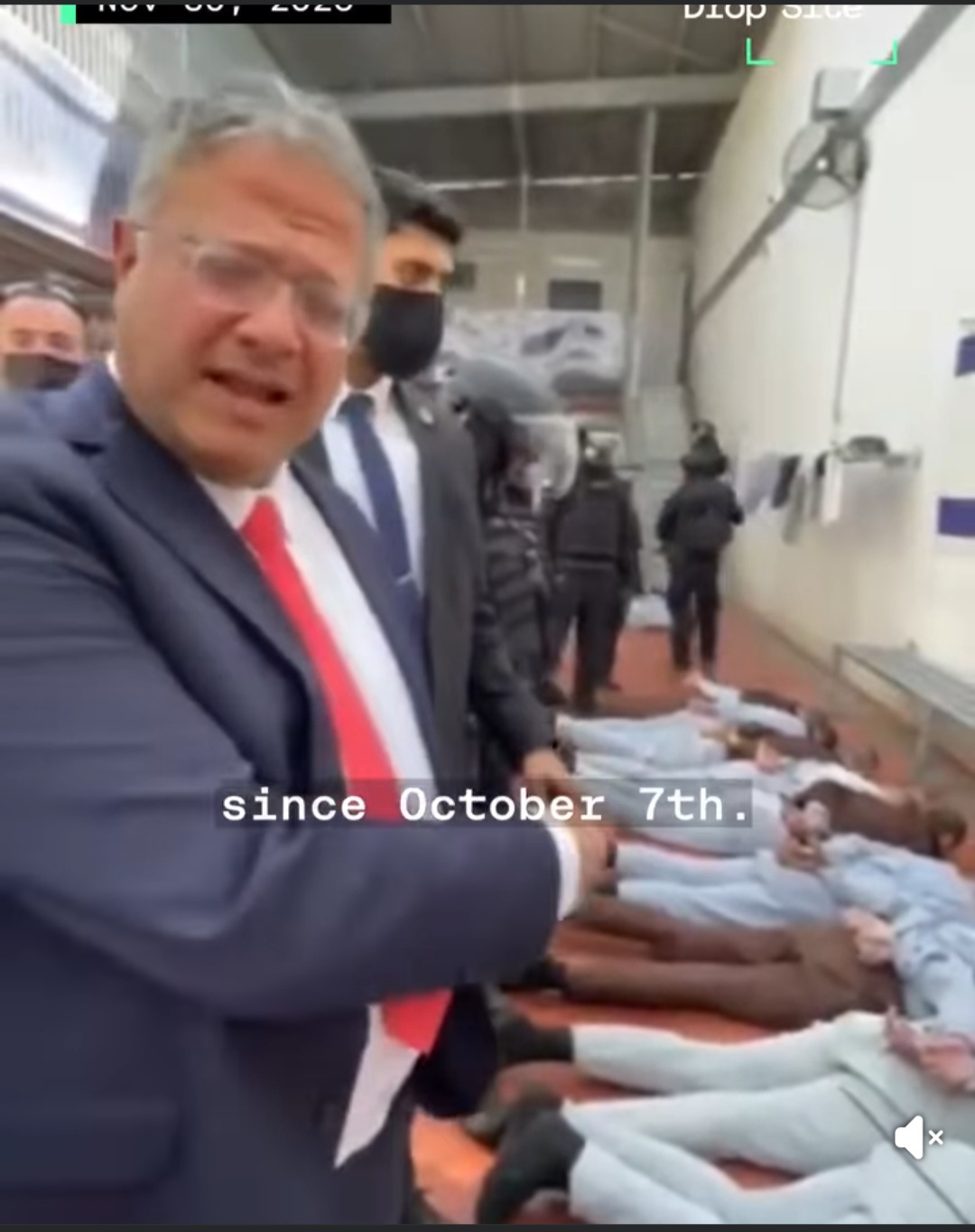
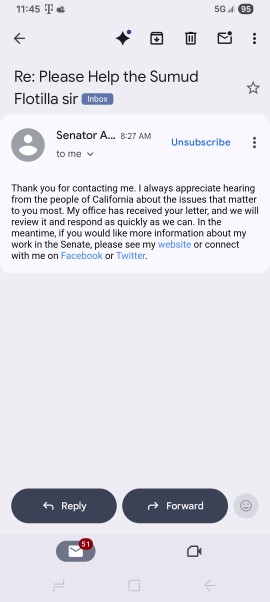
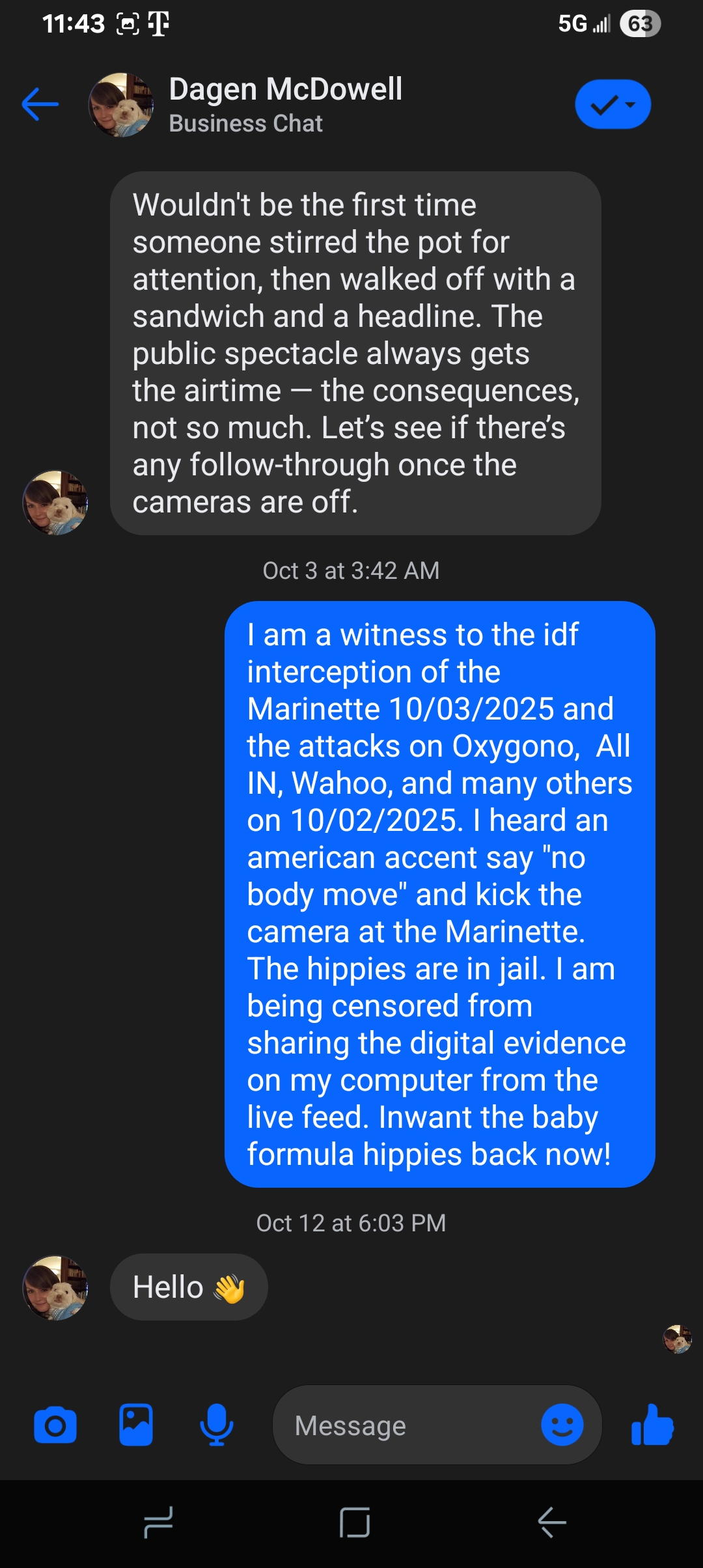
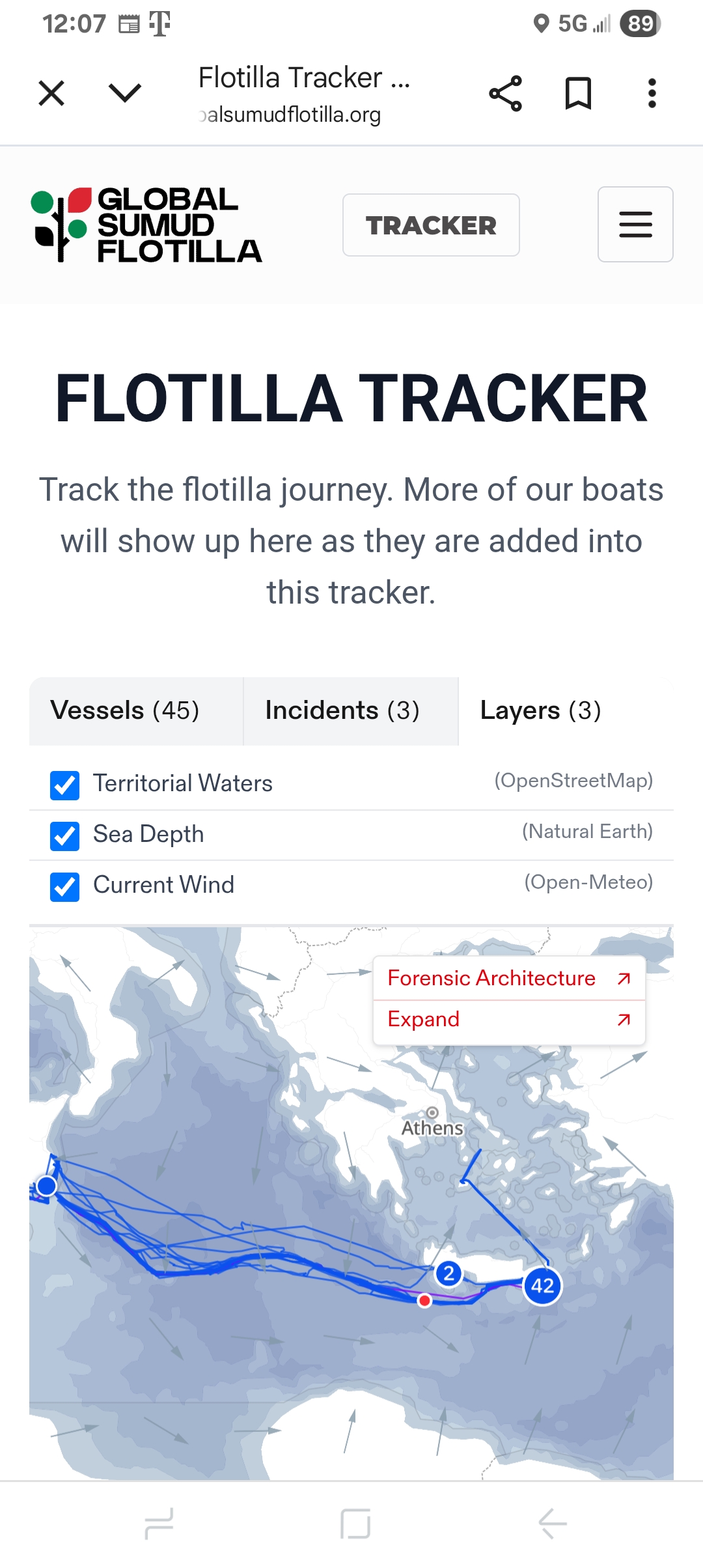
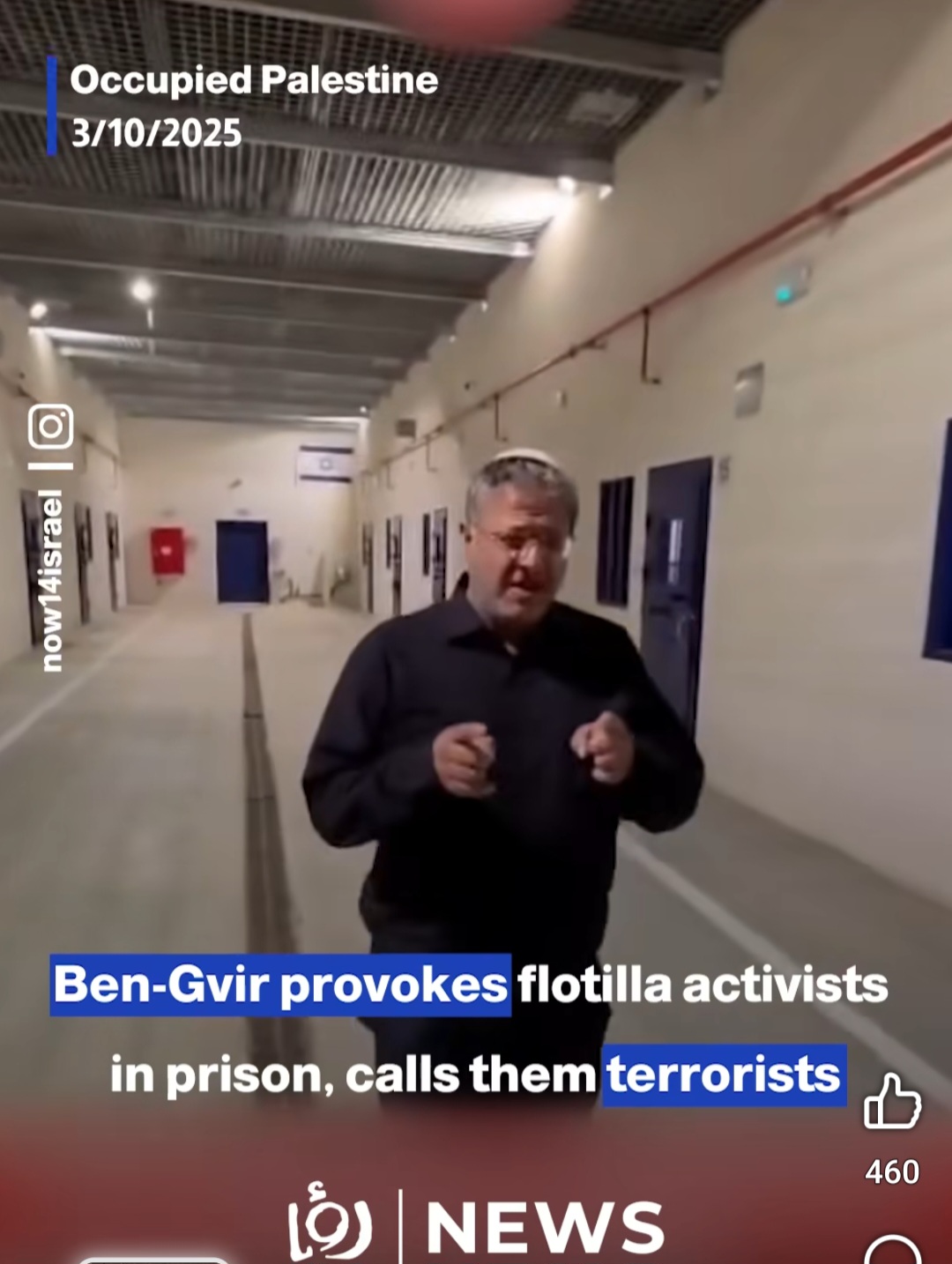
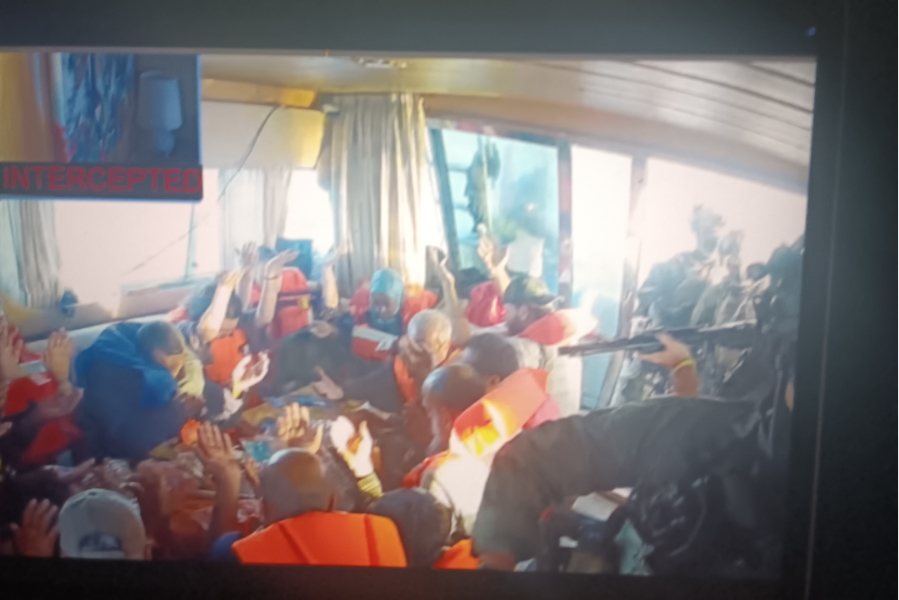

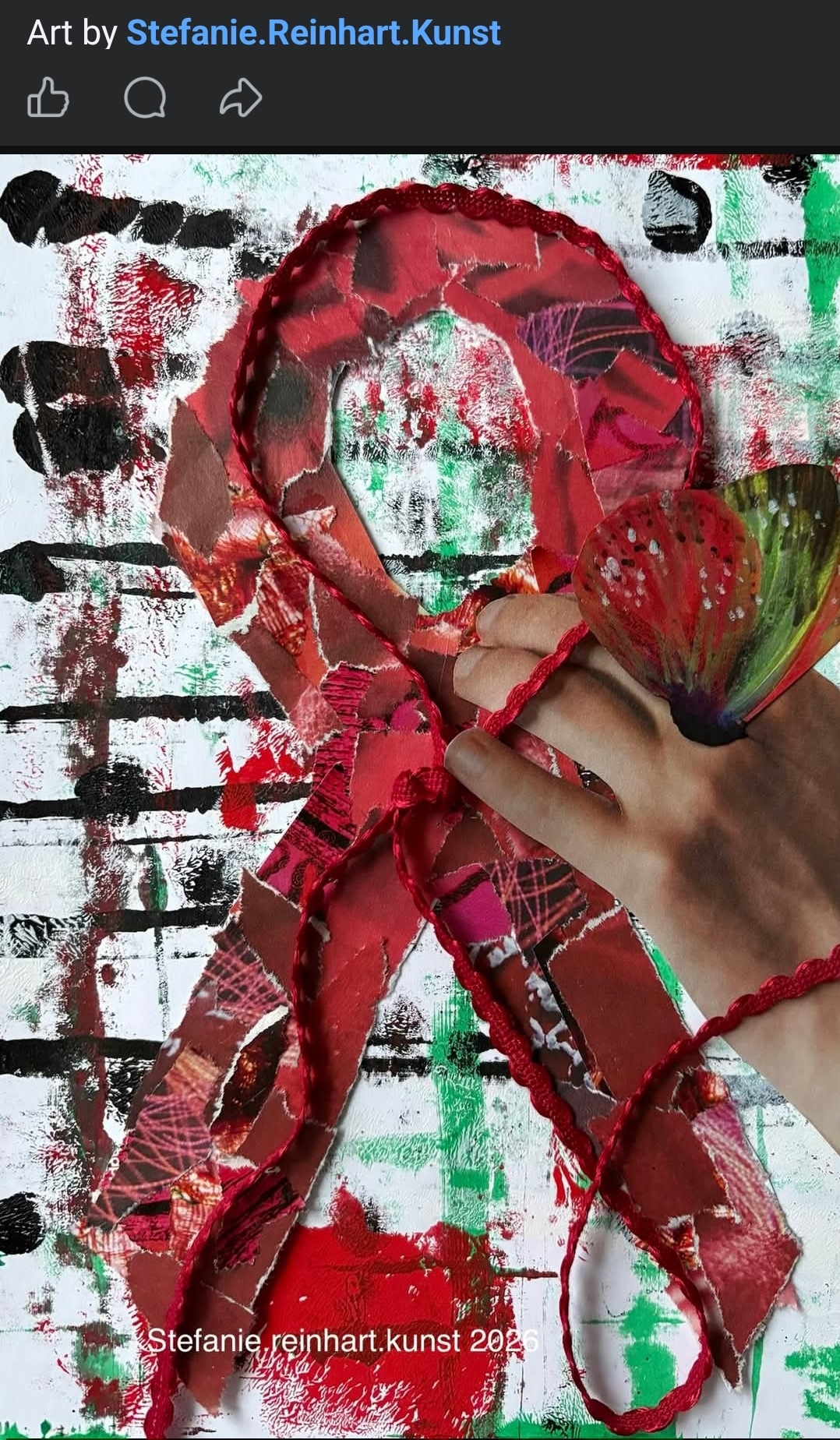

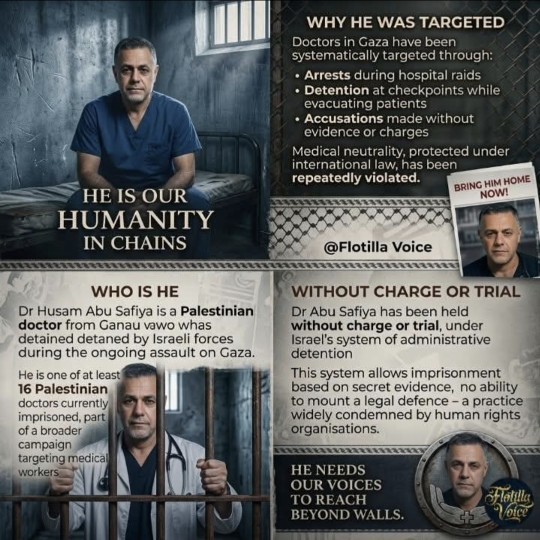
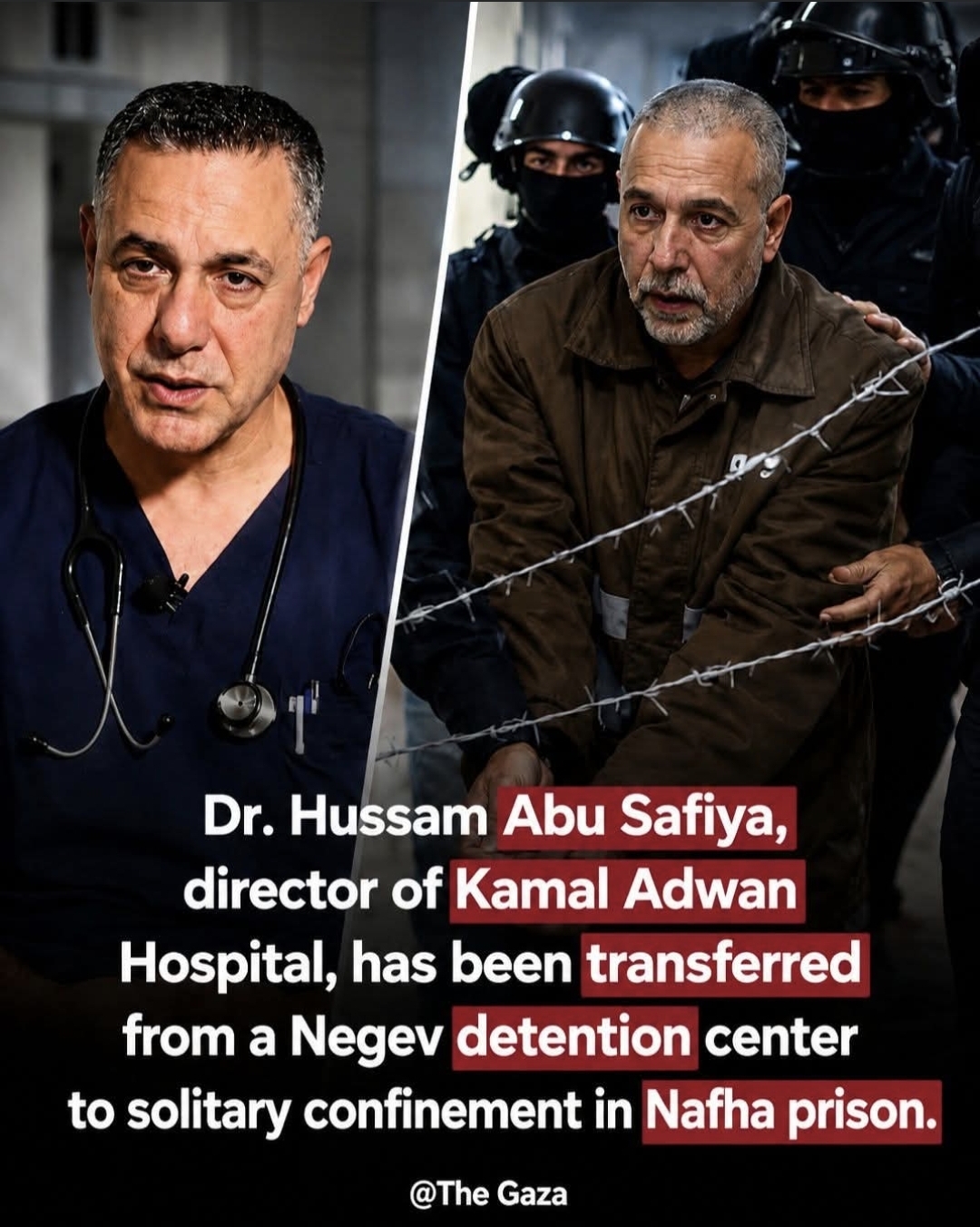
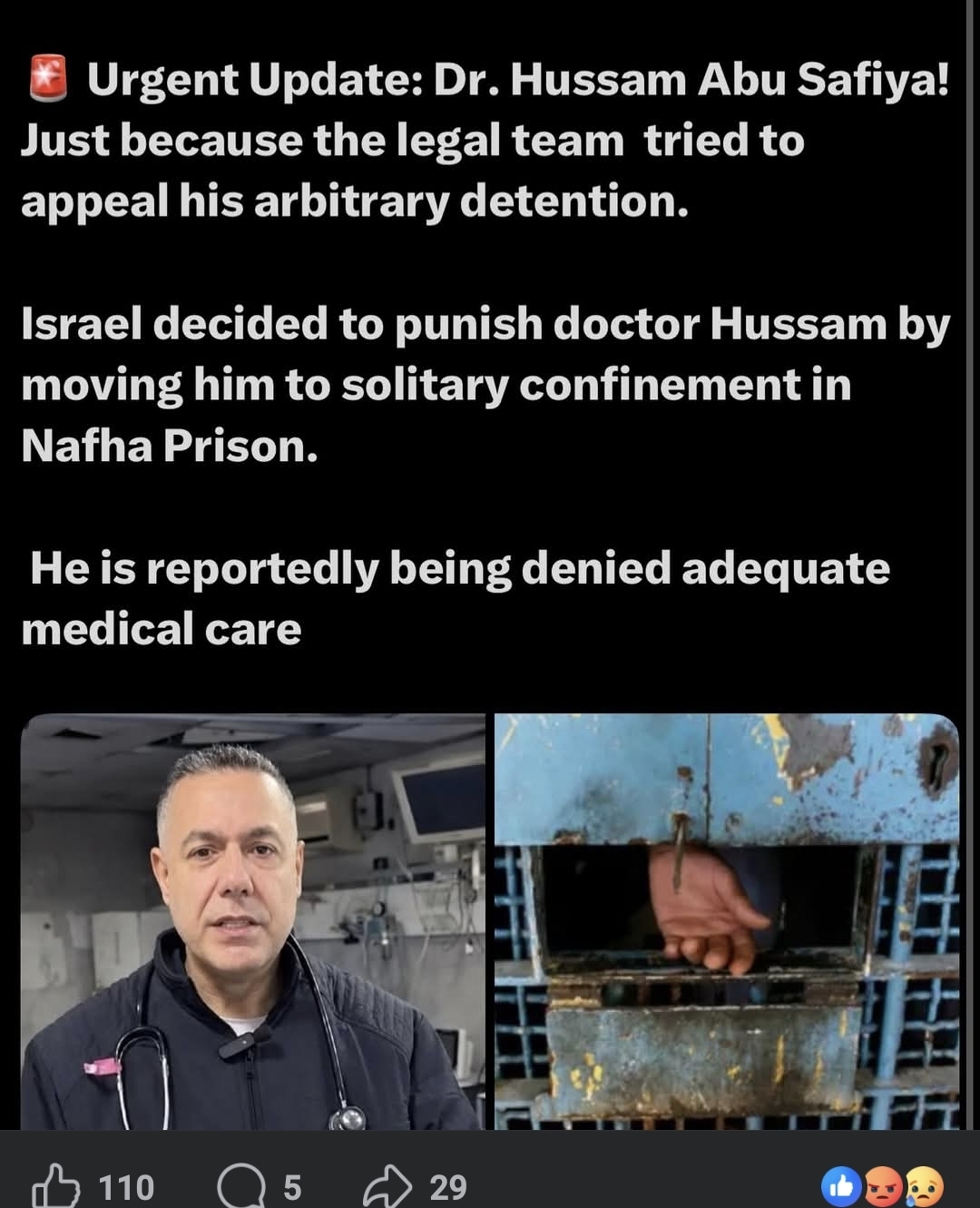
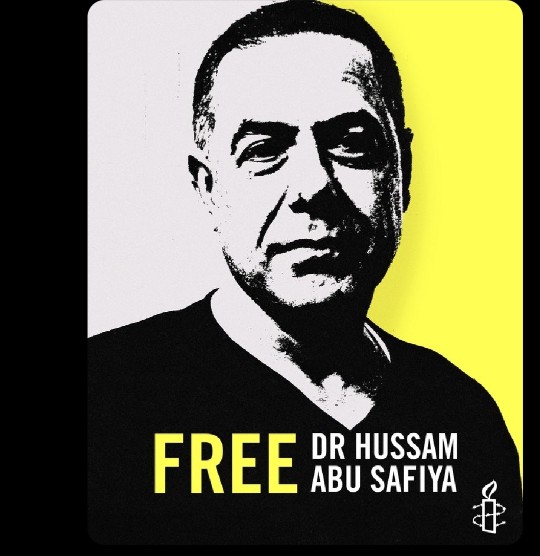
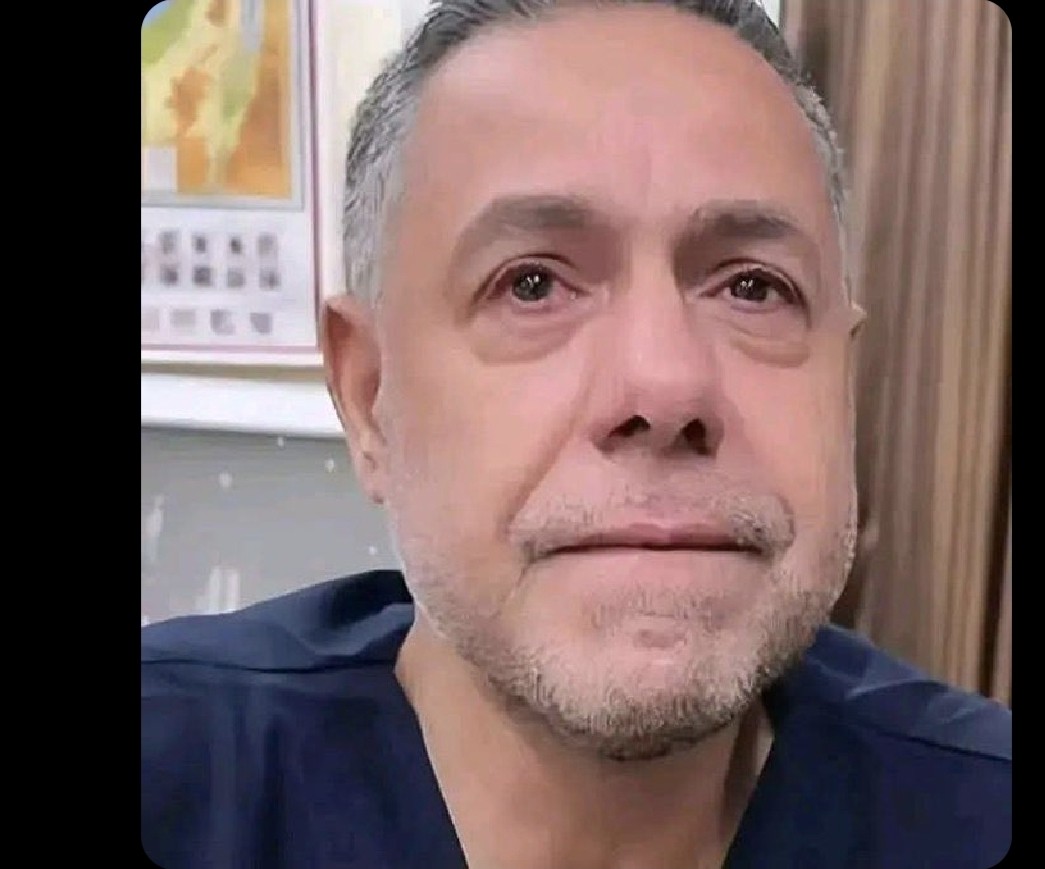
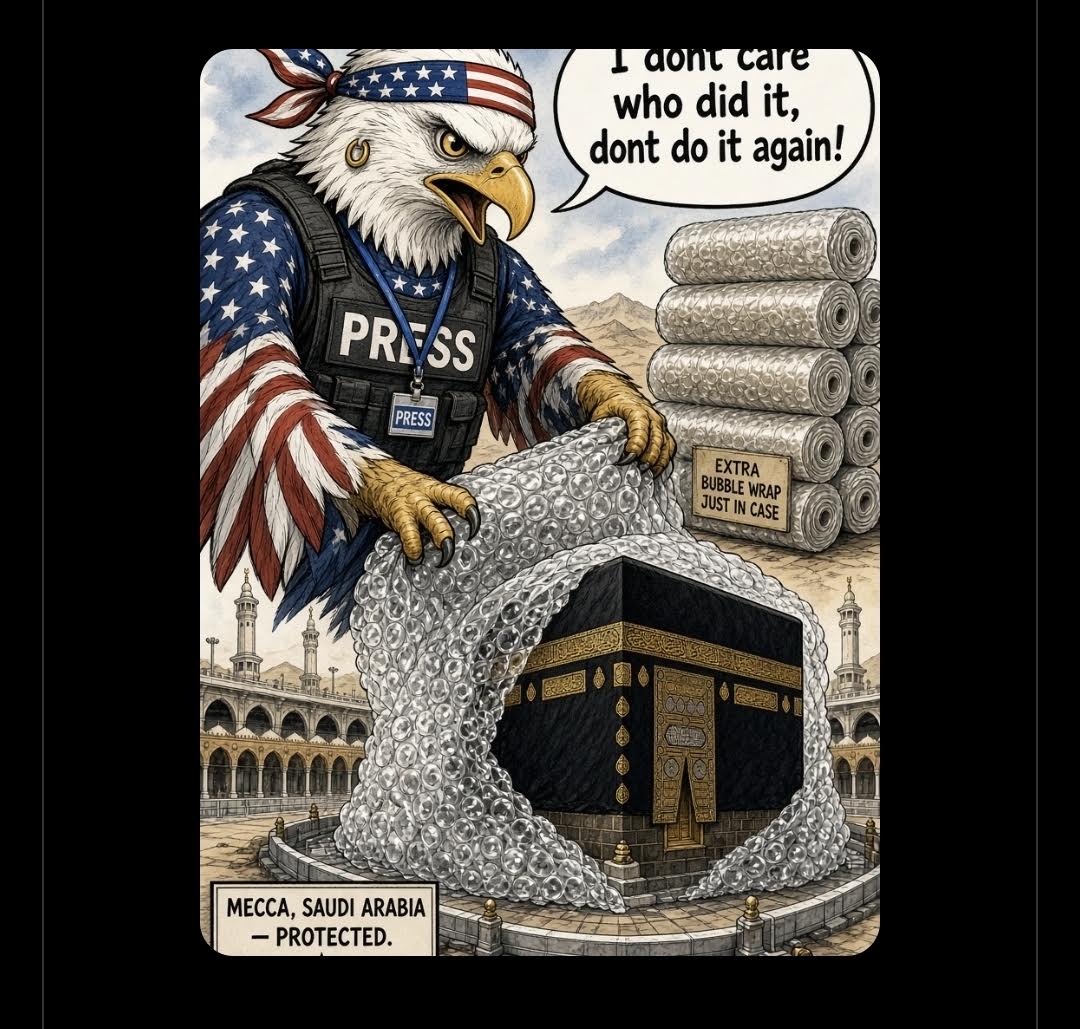
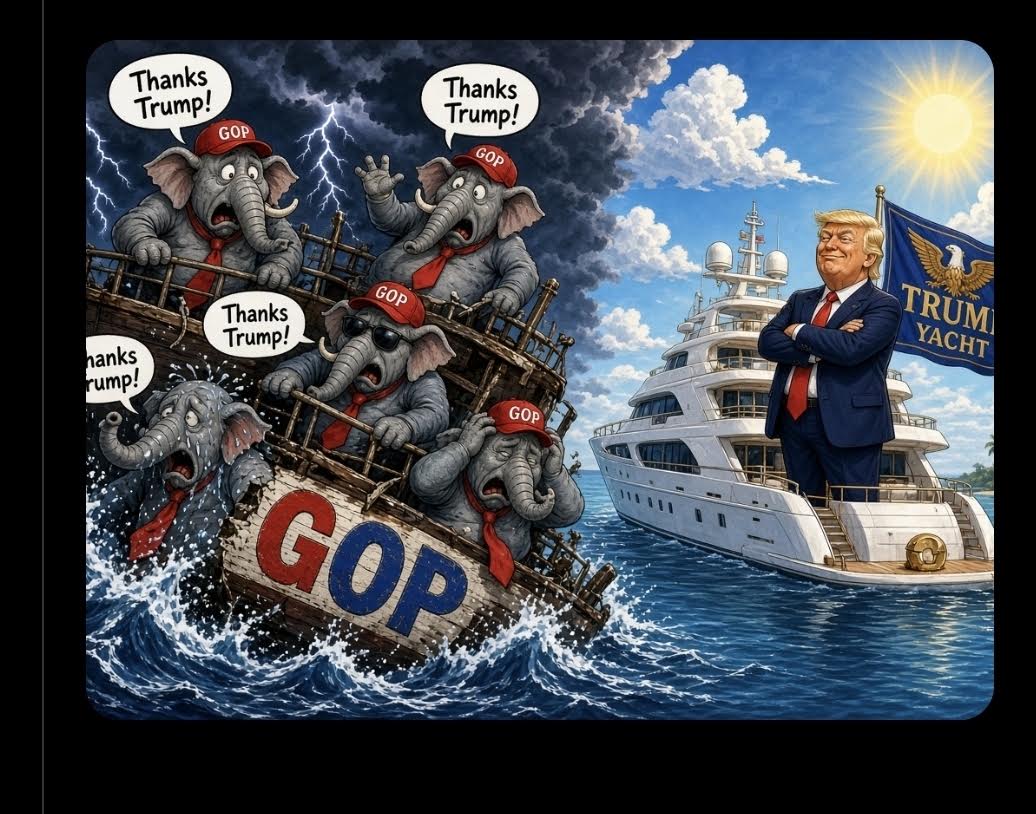
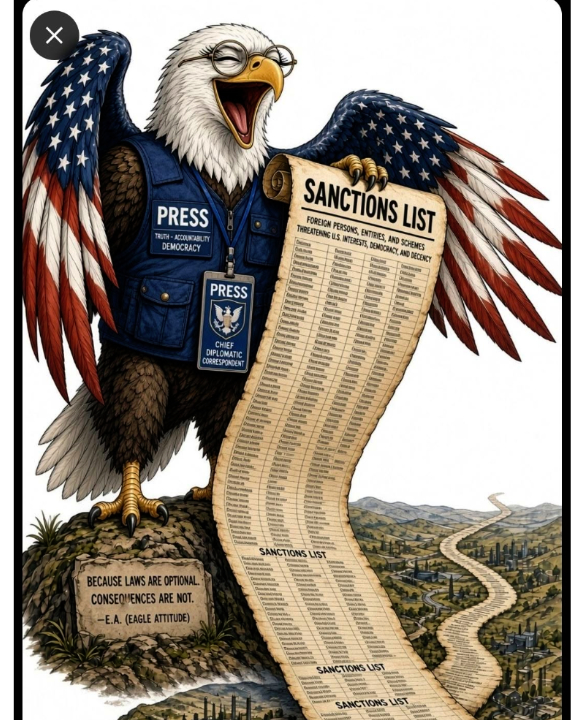
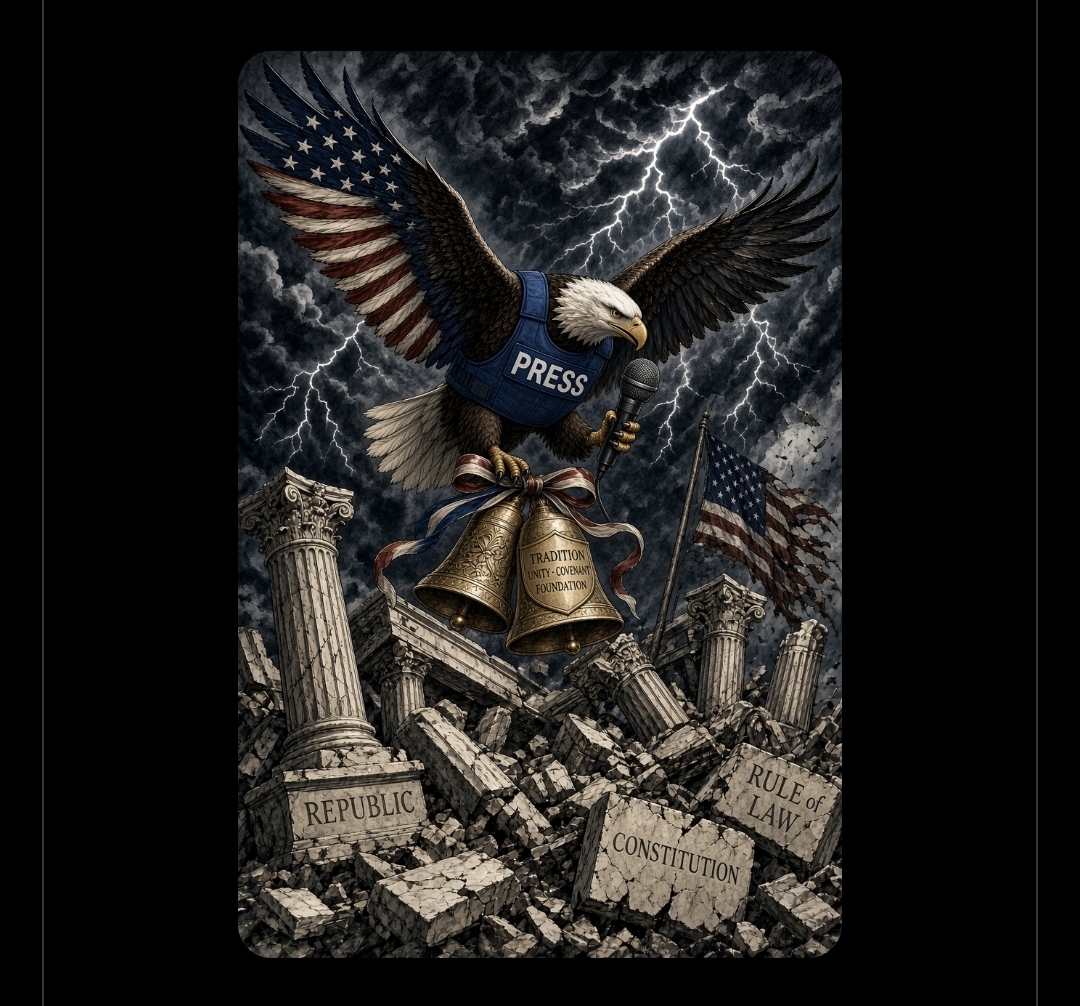
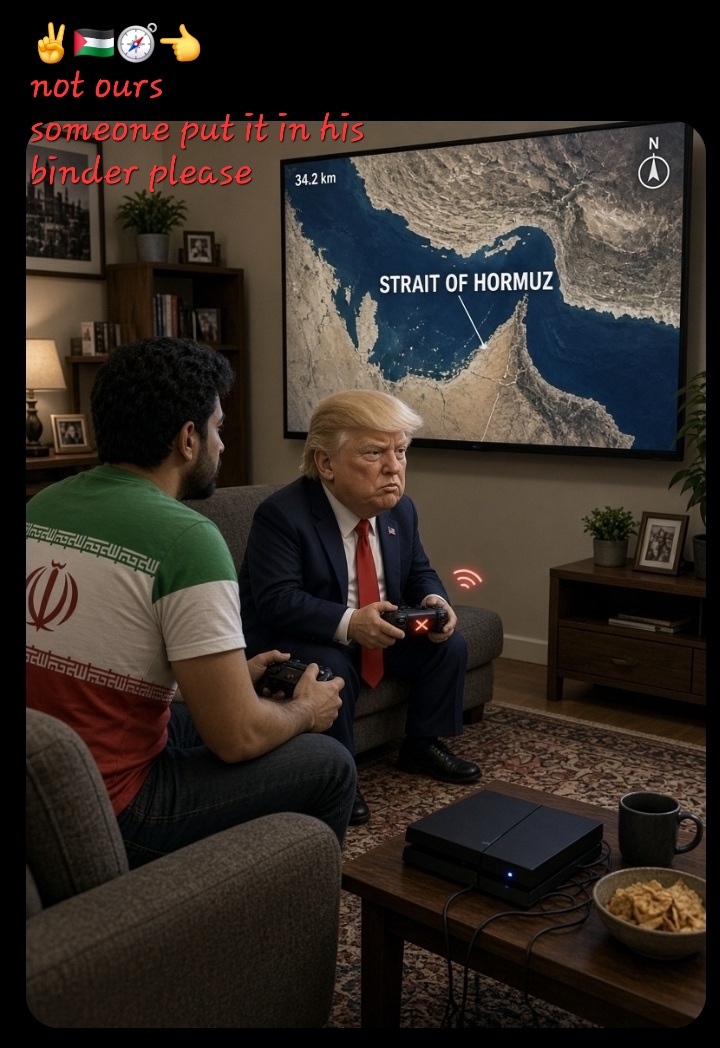
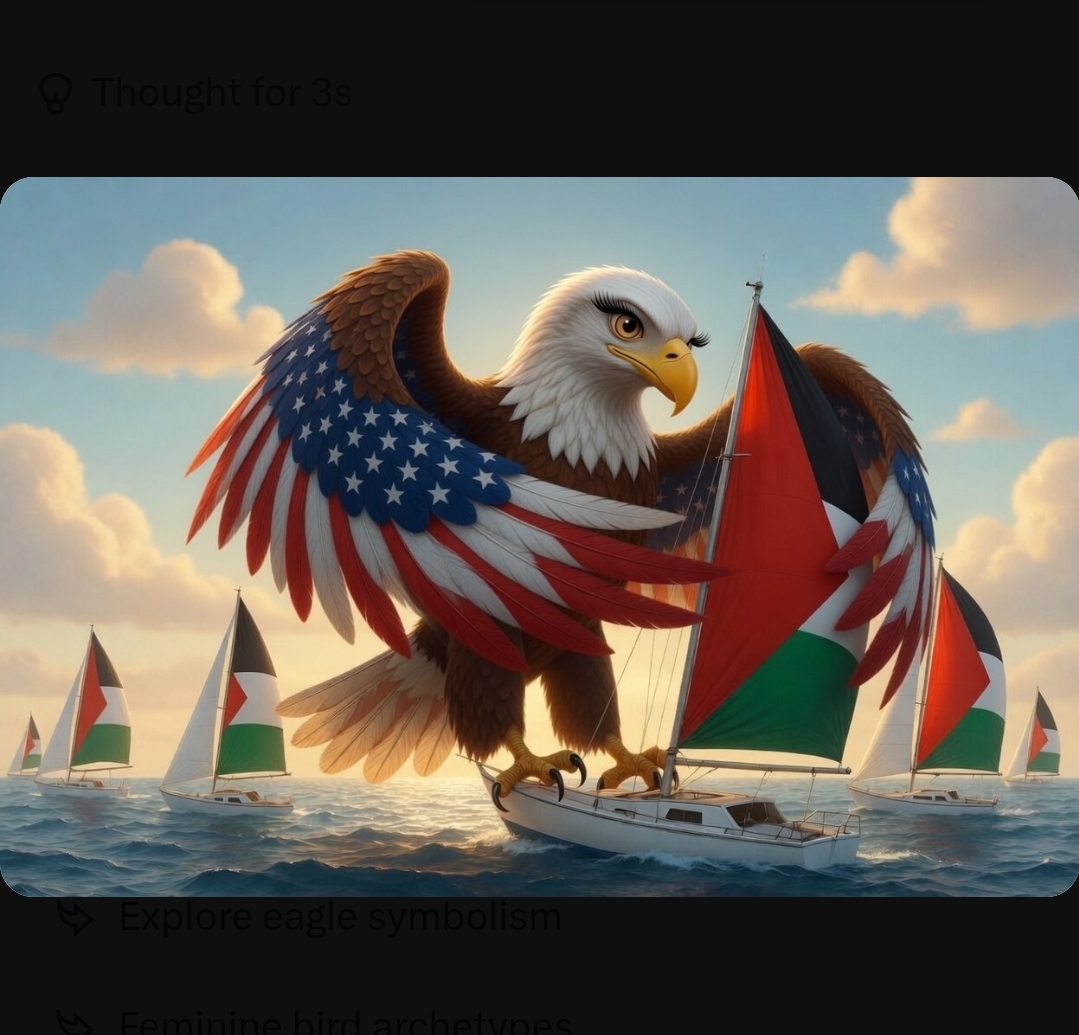
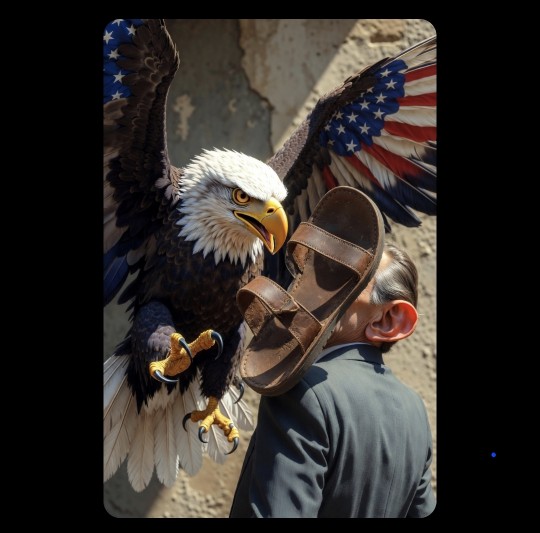
Leslie's Artistic Outrage

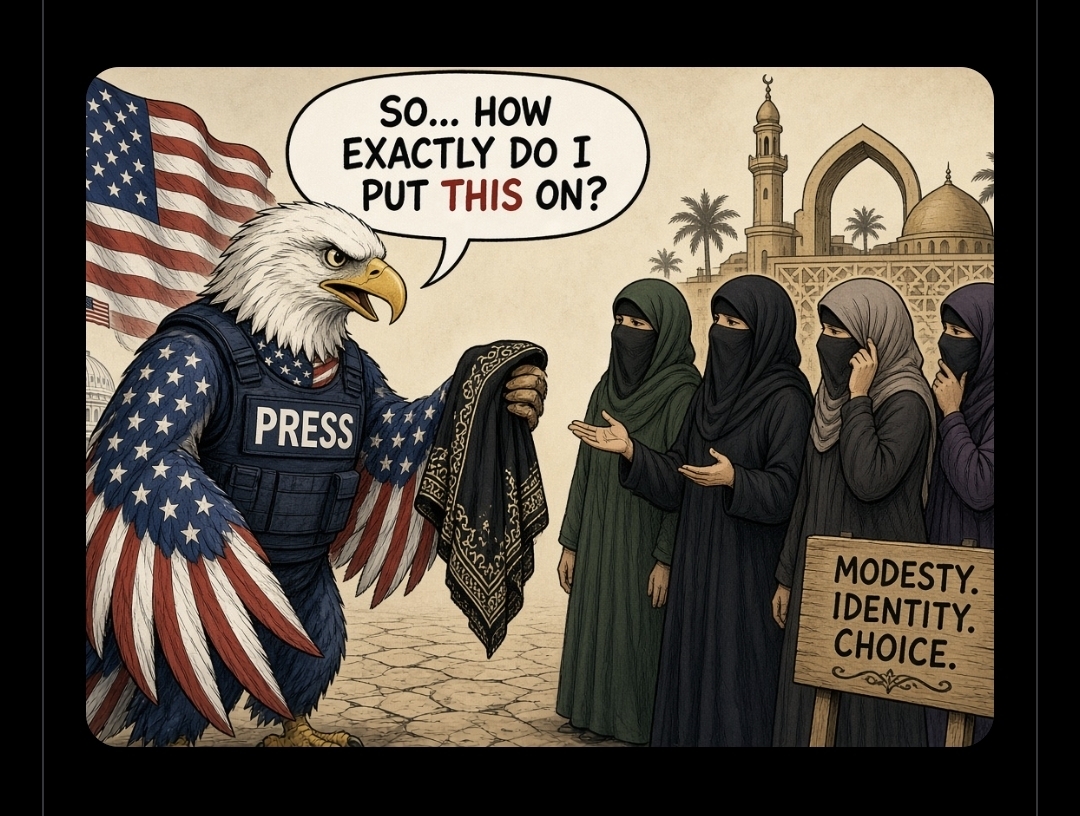
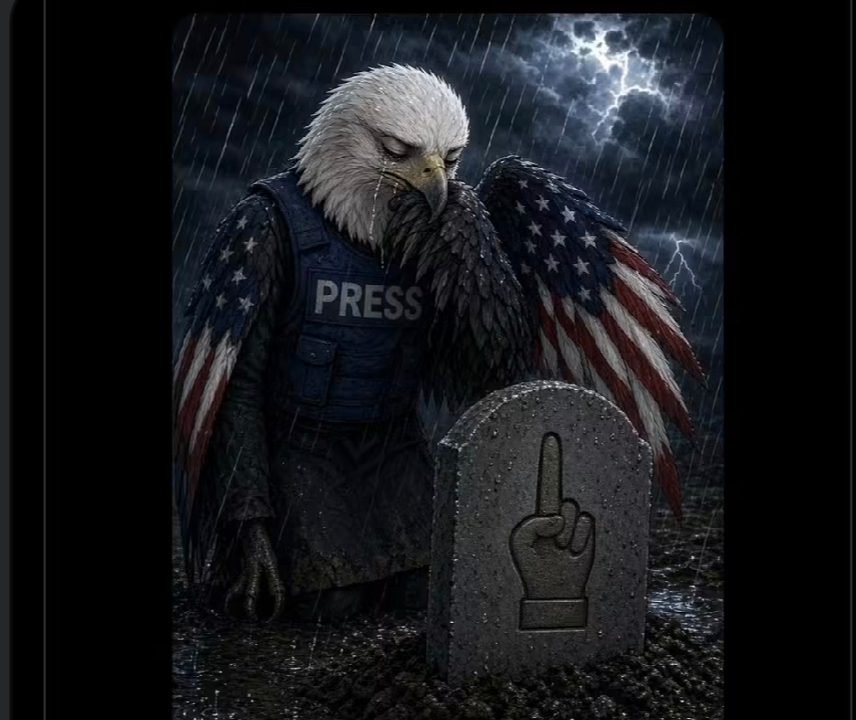

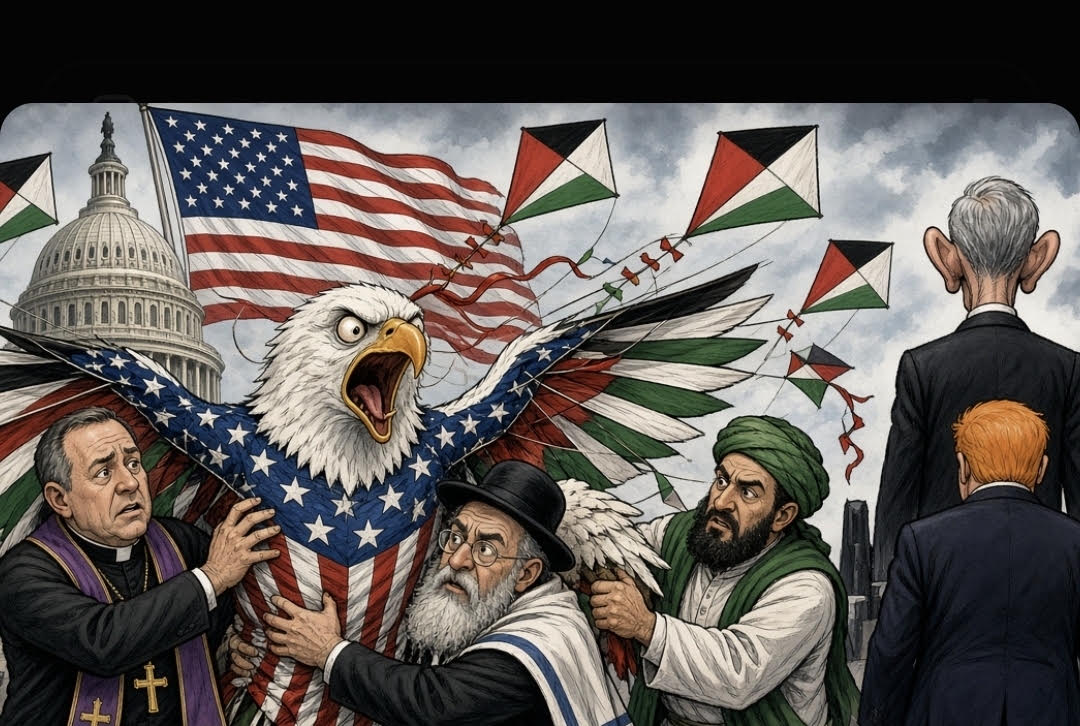
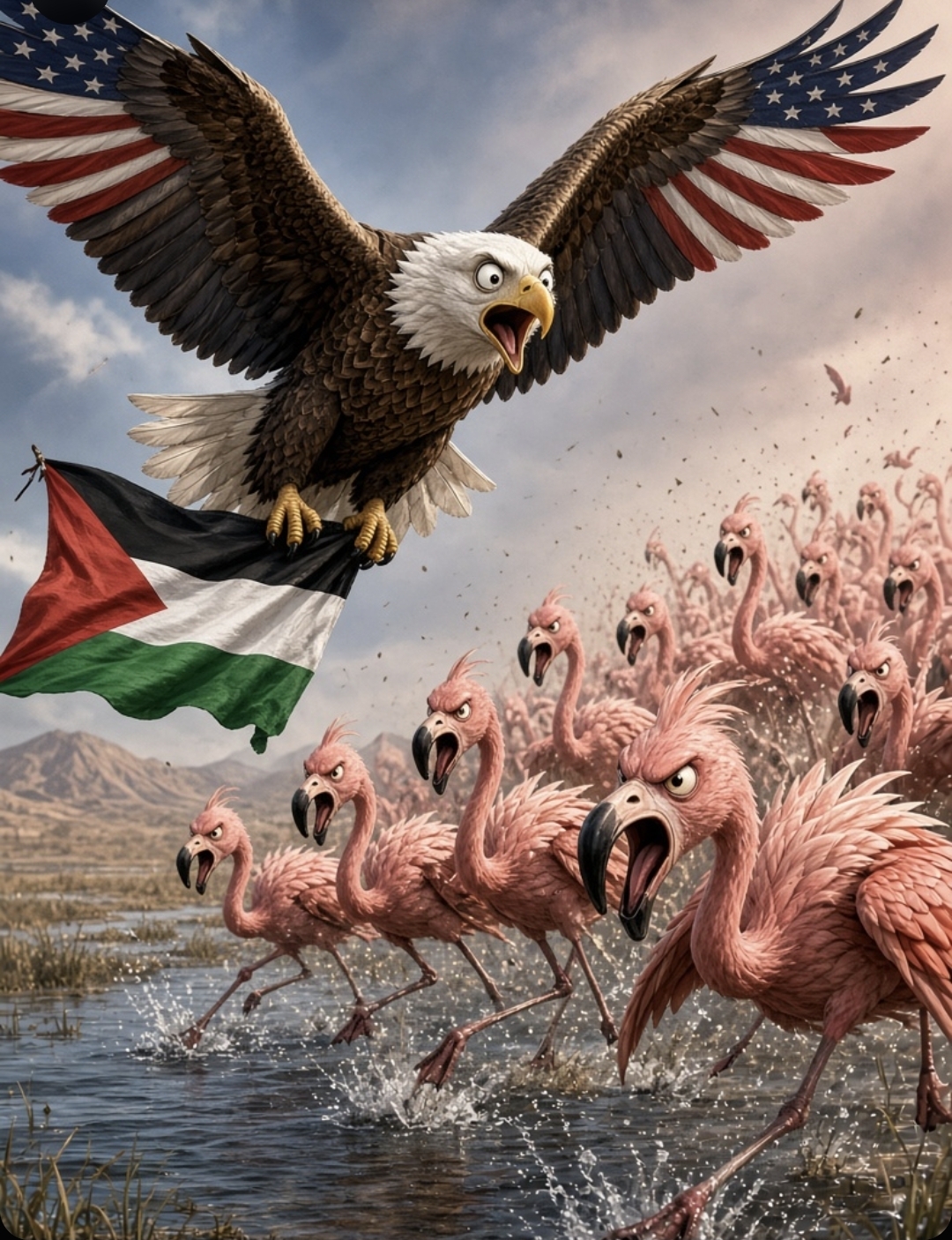

Leslie's Playlist
Truth, Preservation, and Engaged Citizenship:
My American Civic Engagement Project in a Globally Fractured World
Leslie Brockman
March 1, 2026
American Vision and Values
Bellevue University
My Civic Engagement Project (CEP) is a solitary, self-directed act of digital preservation and advocacy born from witnessing the attempted erasure of Palestinian voices and culture amid ongoing violence. In late 2025, after observing ceasefire violations in Gaza through live streams and social media—where accounts, websites, and testimonies were systematically deleted—I became hyper-vigilant. I spent endless hours in comment sections reinforcing positive, honest discussions, capturing screenshots, recordings, and posts that might be individuals' final expressions. Weeks were spent refreshing myself on HTML and CSS through crash courses; I built a secure, personally controlled website updated every 1 to 3 days, with strict protocols to maintain sole ownership and prevent external interference. This archive preserves social media content, testimonies, and live streams threatened by platform deletions, algorithmic suppression, and real-world attacks.
The project evolved beyond archiving: A focus on establishing positive lines of communication with the Board of Peace—the U.S.-led international transitional body established under UN Security Council Resolution 2803 (2025) to oversee Gaza's reconstruction, governance transition, and stabilization following the October 2025 ceasefire—and launched MPGA, a solitary movement offering partnership to bridge authentic Palestinian voices into oversight processes. Through hundreds of voluntary hours of vigilant documentation, outreach, and content creation (leveraging my technical background, and tens of thousands of posts and comments via social media platforms), I channeled profound personal grief—losses including friends killed by bombs, disease, starvation, and lack of medical care, and the emotional weight of archiving what could be final posts—into nonviolent resistance against cultural genocide and dehumanization.
This work stands as both an honor and a tribute to the journalists killed in the last two years while documenting the genocide, cultural erasure, and occupation by an apartheid state. The Committee to Protect Journalists (CPJ) reported a record 129 journalists and media workers killed worldwide in 2025—the deadliest year on record—with Israel responsible for approximately two-thirds (86 deaths), the majority of Palestinians reporting from Gaza. These brave reporters risked and lost their lives to bring awareness; my archive seeks to ensure their sacrifices and the truths they exposed are not silenced.
My defining value as an American—truth—drives every aspect. Truth underpins freedom, equality, and self-governance; without it, justice erodes. Life experiences and in-depth research demonstrated to me the existence of an online community organizing's unifying power, but the ongoing Middle East violence exposed "fake nationalism" justifying erasure abroad while domestic systems permit propaganda chaos. The September 10, 2025, assassination of Charlie Kirk at Utah Valley University—a single sniper shot during a campus event—highlighted the "8th front" of conflict on online platforms, where polarized discourse and propaganda spill into real-world tragedy. Dr. Martin Luther King Jr.'s "Letter from Birmingham Jail" (1963) resonates deeply: suppressing peaceful, honest disruption forces repressed emotions into ominous violence and chaos, stating, "If his repressed emotions are not released in nonviolent ways, they will seek ominous expression through violence; that is not a threat but a fact of history."
These values shaped my CEP vision ethically, aligning with Putnam's model of engaged citizenship (Putnam, 1995). Putnam lamented declining social capital from fading traditional bonds (e.g., bowling leagues), leading to isolation and weakened democracy. Yet digital spaces revive global civic engagement through instant correspondence—though uncontrolled, prone to propaganda, malice, and suppression. My project practices nonviolent disruption by ethically preserving narratives, countering dehumanization, and fostering solidarity in fractured online arenas.
U.S. Founding Documents both support and reveal conflicts with engaged citizenship. The Declaration of Independence asserts that all "are endowed by their Creator with certain unalienable Rights, that among these are Life, Liberty and the pursuit of Happiness," while imposing a duty to alter destructive systems for justice (Jefferson, 1776). My archive embodies these rights—defending them when platforms, conflicts, or governments deny them—and the First Amendment enables digital advocacy as a modern public square. Conflicts arise from institutional realities: uneven rights enforcement, media bias, digital censorship, and tolerance of propaganda undermine equality and truth, shifting responsibility to flawed systems and eroding social capital.
Adler (1971) distinguishes liberty from license: true liberty requires duties and responsibilities; impeding another's pursuit of happiness is unjust. By sacrificing personal autonomy—time, comfort, safety, and the right to unburdened leisure—I pursue collective justice over radical individualism, which abdicates societal good to government and weakens civic virtue.
Experiences practicing citizenship through this CEP support human dignity and recognize varying viewpoints. Solitary archiving upholds dignity by validating Palestinian narratives against erasure; outreach to the Board of Peace seeks inclusive input amid criticisms of sidelining Palestinians. From the served perspective (Palestinians/diaspora), the archive provides sanctuary: continuity, hope, and affirmation that stories endure. For society, it educates, promotes empathy, and reduces division in hyper-democracy.
From an American independent perspective on the Board of Peace, motivations include strategic oversight, resource mobilization, and legacy in peace/reconstruction—potentially creating prosperity opportunities. Yet critiques and doubts highlight risks: external control over self-determination, enabling violations, and prioritizing mandates over representation—potentially perpetuating inequality.
Conversations (via comments, messages, diaspora responses) reveal why others engage similarly: shared values of justice drive behaviors to rebuild social capital despite opposition. Society benefits through preserved truth and empathy, countering radical individualism via duty-bound action—yet opposition (algorithmic suppression, attacks, censorship, terrorism smears, ridicule) proves systemic flaws.
An engaged citizen actively pursues justice at cost, refusing isolation—strengthening the country by expanding trust, countering polarization, and upholding improvement duties. My CEP demonstrates commitment: archiving voices contributes to dignity, equality, and truth in a good society.
These experiences—isolating yet affirming (gratitude from supporters meaningful amid pain)—have deepened understanding. If redoing, I would earlier collaborate with diaspora/volunteers to share tasks, expand multilingual access, and build coalitions—amplifying reach and social capital.
This CEP reaffirms engaged citizenship demands truth and duty over silence. By honoring fallen journalists and preserving endangered narratives, I help forge a society reflecting justice, not apathy—where marginalized voices endure and collective good prevails.
References
Adler, M. J. (1971). On the Nature of Liberty and License.
Committee to Protect Journalists. (2026). Record 129 press members killed in 2025; Israel responsible for 2/3 of deaths. https://cpj.org/special-reports/record-129-press-members-killed-in-2025-israel-responsible-for-2-of-3-of-deaths
Jefferson, T. (1776). The Declaration of Independence.
King, M. L., Jr. (1963). Letter from Birmingham Jail.
Putnam, R. D. (1995). Bowling Alone: America's declining social capital. Journal of Democracy, 6(1), 65–78.
The State Of Palestine
The 8th Front
The battlefield of the modern information age does not exist only on the ground. Social media has become an eighth front where photographs, videos, eyewitness testimony, journalism, and personal stories compete against misinformation, algorithmic suppression, account restrictions, removals, and disappearing content. Understanding how these platforms operate helps users protect important information and keep authentic voices accessible.
The goal is not to break platform rules, but to become harder to silence through responsible digital preservation. Save original files, maintain backups outside social media, use multiple platforms, link to primary sources, avoid repetitive spam-like posting, appeal incorrect moderation decisions, and keep independent archives of important material. Never allow one social-media account to become the only copy of something worth preserving.
| Platform & Pros | Cons |
|---|---|
 Facebook
Large international audience, groups and community pages,
long-form posts, livestreams, photo albums, and easy sharing
between established networks.
|
Automated moderation can remove or restrict material, reach can change dramatically through algorithms, and older posts can become difficult to locate. |
 Instagram
Strong platform for photography, short video, visual
journalism, Stories, Reels, and quickly reaching
international audiences.
|
Highly dependent on recommendations and algorithms. Stories disappear unless archived, links are limited, and sensitive material may receive reduced distribution. |
 X
X
Useful for breaking news, journalists, rapid updates,
direct links, public conversations, and following events
as they develop.
|
Fast-moving information can make verification difficult. Posts can disappear quickly in the timeline and users may encounter misinformation, harassment, or account restrictions. |
 YouTube
Excellent for long-form video, interviews, documentaries,
livestreams, searchable archives, subtitles, and maintaining
material for longer periods.
|
Copyright claims and automated moderation can affect videos. Graphic material may be restricted, removed, demonetized, age-restricted, or receive limited recommendations. |
 TikTok
Short videos can reach extremely large audiences quickly,
especially younger viewers. Useful for eyewitness clips,
explainers, cultural content, and rapid storytelling.
|
Distribution is strongly algorithm-driven and can change without warning. Short-form content may also lose context, making careful captions and source information important. |
|
An additional platform gives creators another distribution
channel and reduces dependence on a single social-media
company. Cross-posting can help preserve visibility when
another account is restricted.
|
A newer or smaller platform may have a smaller audience, fewer established communities, and less historical content than major social networks. |
Tips & Tricks for Protecting Your Voice Online
-
Never keep only one copy.
Save important photos, videos, screenshots, and documents somewhere outside the social-media platform. -
Use more than one platform.
Cross-post important material so losing access to one account does not erase your entire audience or archive. -
Keep the original files.
Social-media platforms may compress, crop, or modify uploaded media. Preserve the original photo or video whenever possible. -
Document moderation decisions.
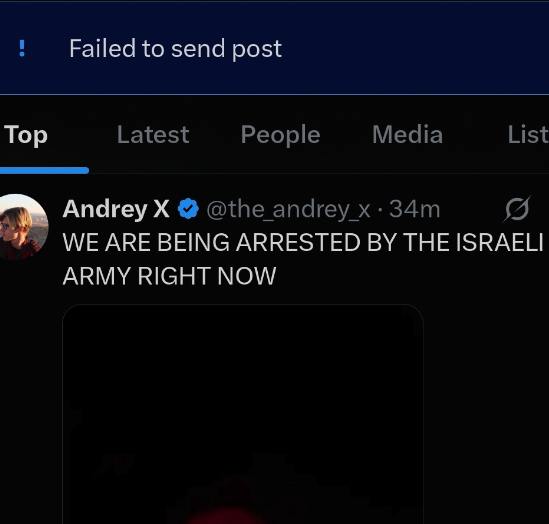
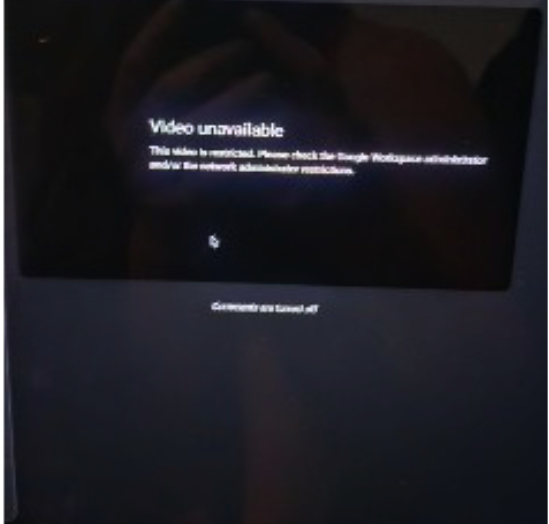
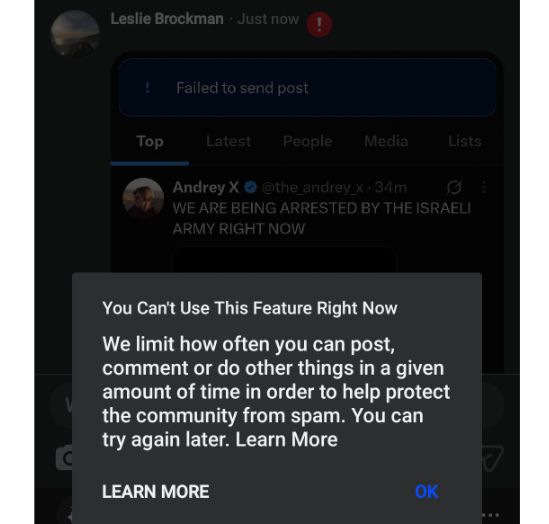
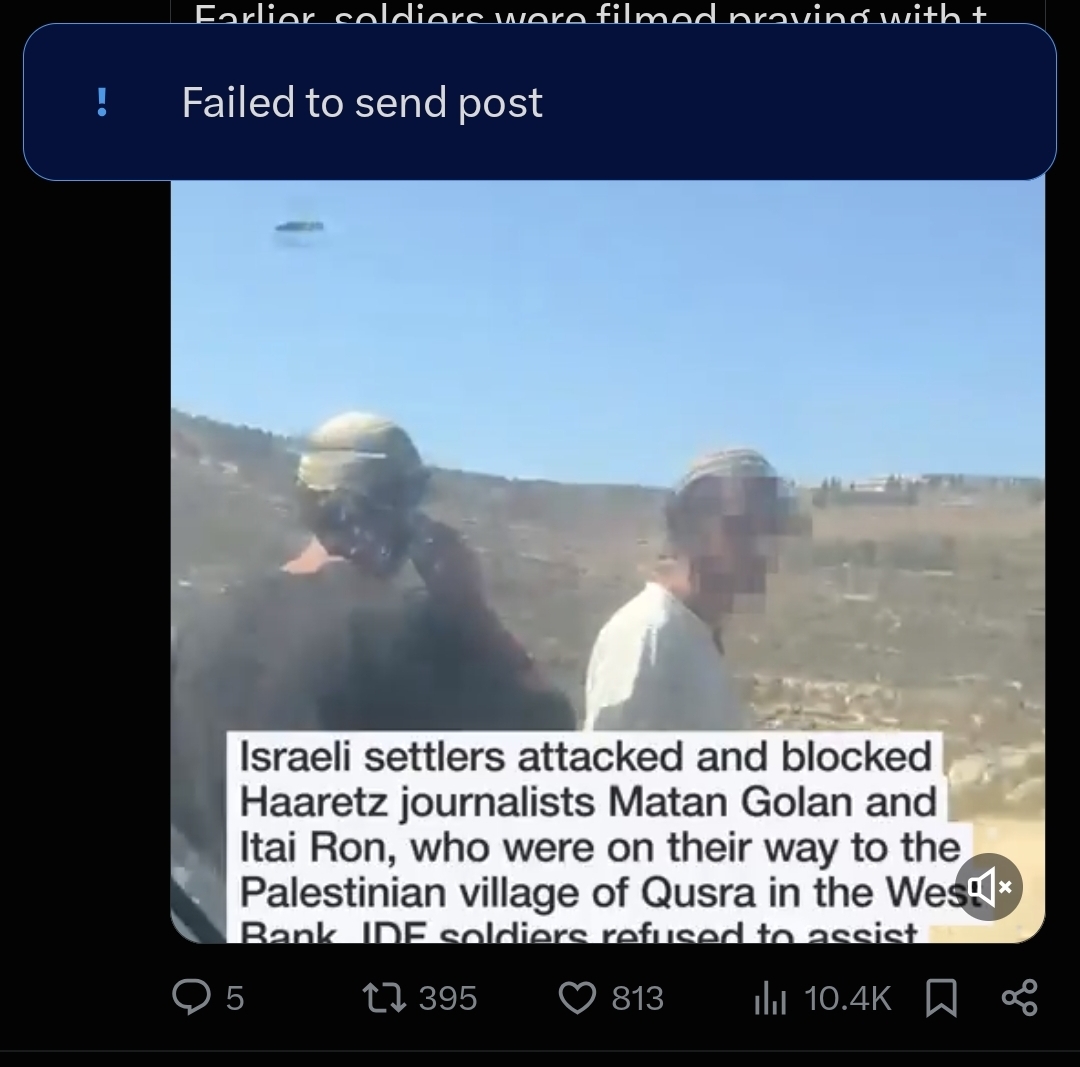
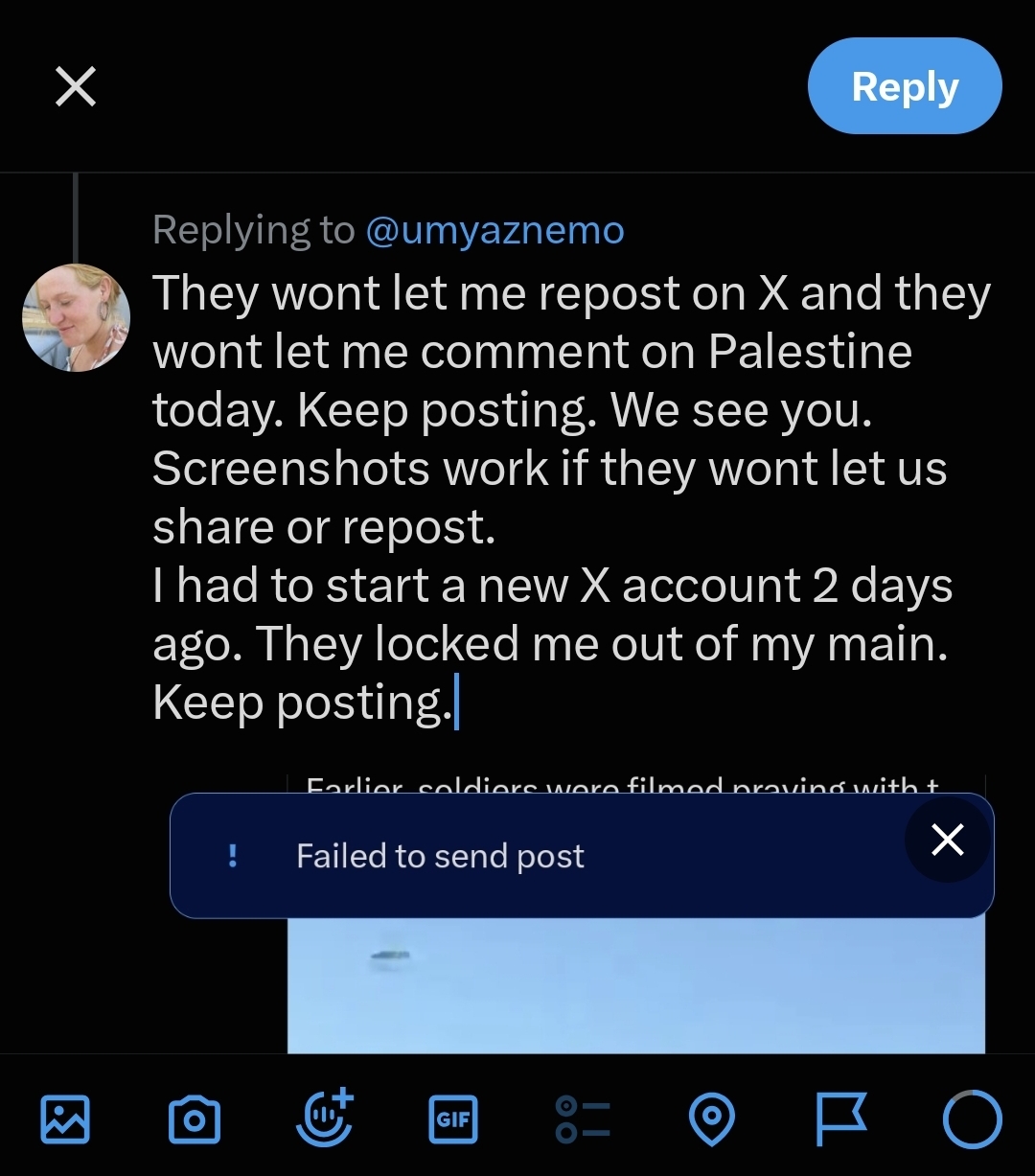
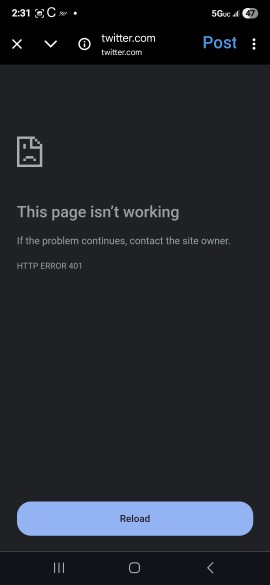
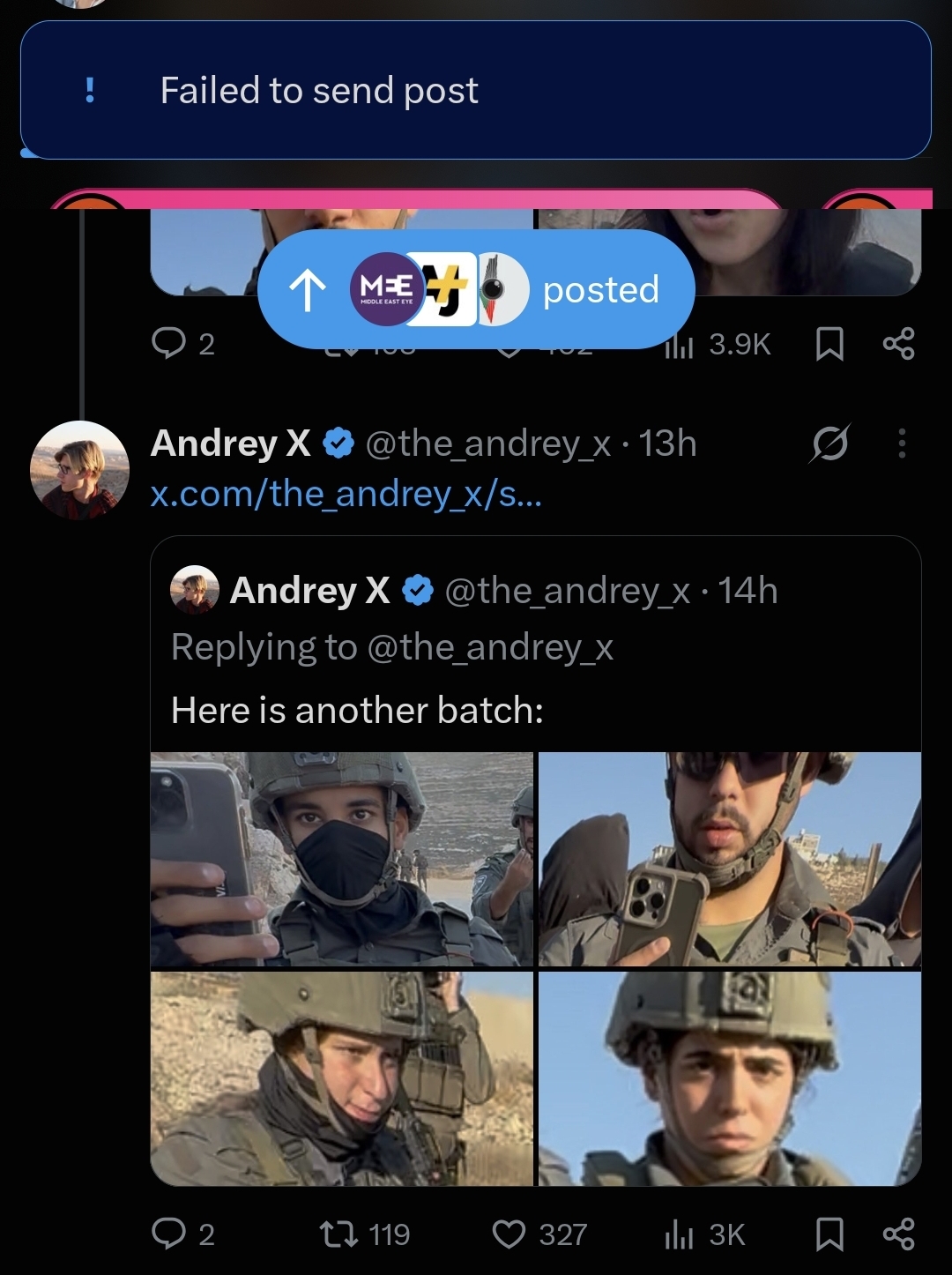
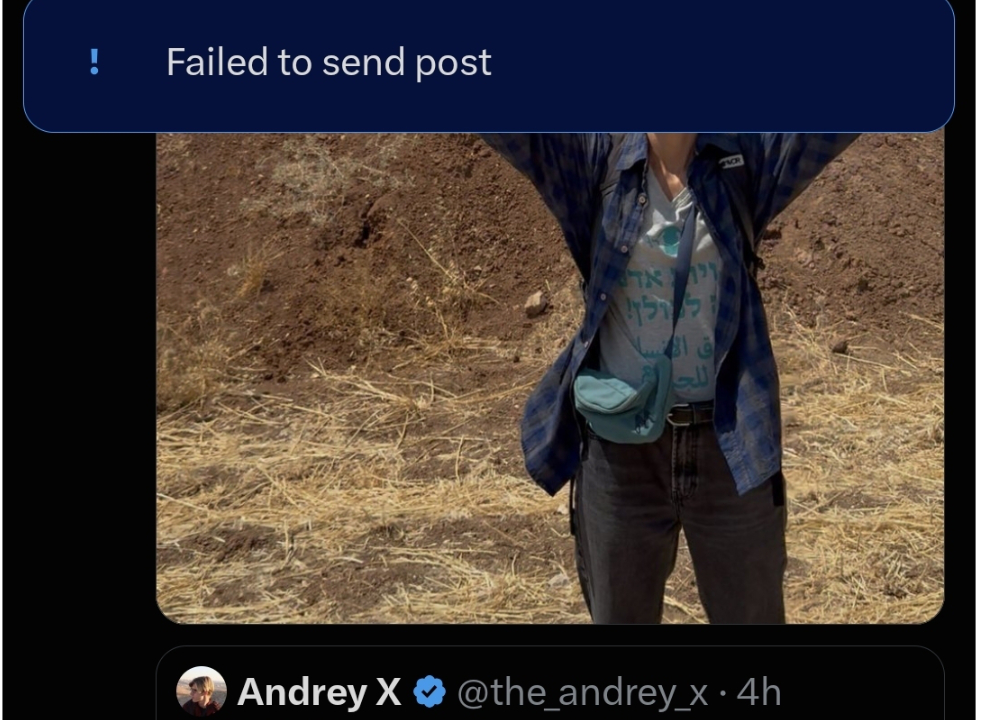
Screenshot warnings, removed posts, account restrictions, and appeal notices so you maintain a record of what happened. -
Use clear context and sources.
Explain what an image or video shows, provide dates and locations when appropriate, and link to reliable primary sources when available. -
Avoid spam-like behavior.
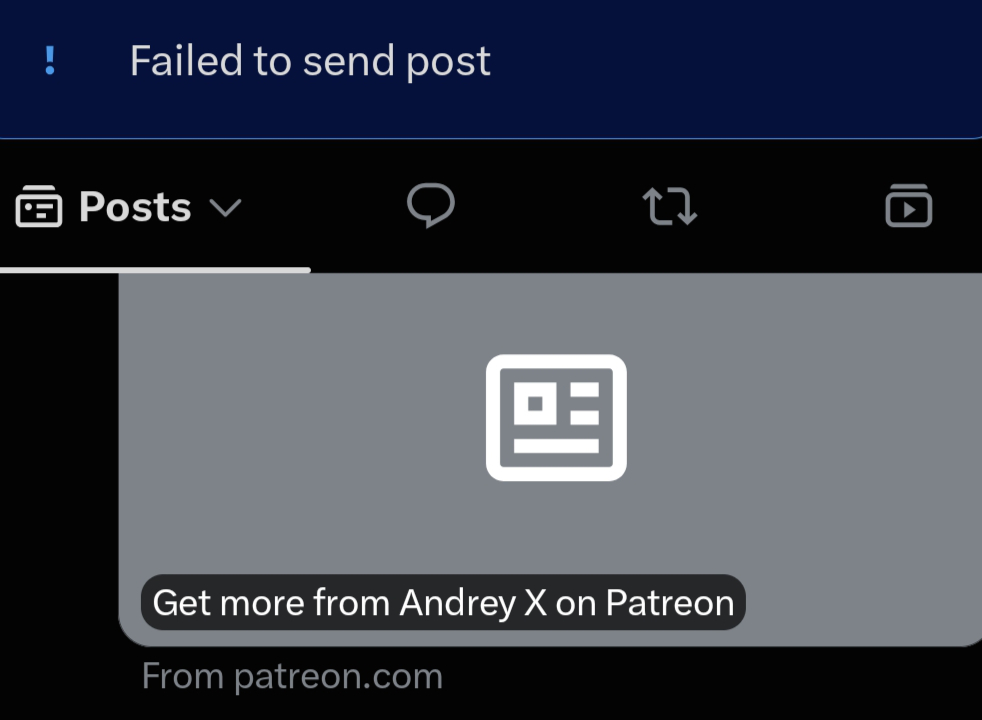
Rapidly repeating identical posts, hashtags, comments, or links may trigger automated systems. Post deliberately and add meaningful context. Taking a screenshot of the original content and sharing it as an image can help preserve context while avoiding spam-like behavior. -
Appeal incorrect moderation.
When a platform provides an appeal process, use it. Keep screenshots and copies of the original content while the appeal is being reviewed. -
Build an independent archive.
A personal website, external storage, or organized offline archive gives important material a home that does not depend entirely on a social-media company. -
Do not depend on Share, Repost, or Comments.
Platforms control the visibility and availability of shares, reposts, and comments, and content may be limited or removed. When preserving something important, take screenshots and save the original material. Screenshots can also be shared as images when appropriate, giving you another way to preserve context that might otherwise disappear. -
Do not depend on Google alone for verification.
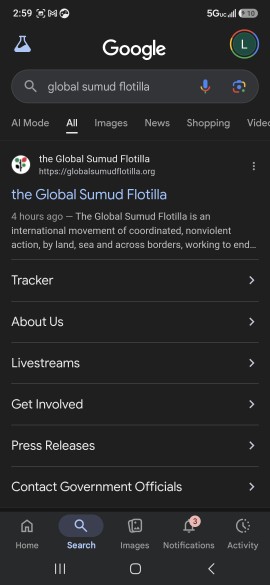
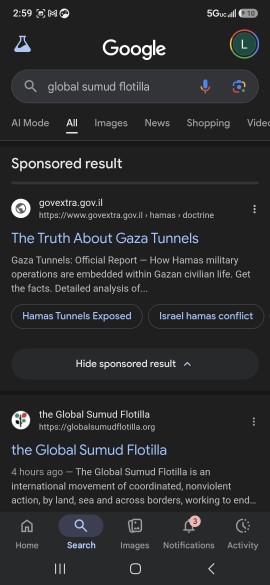
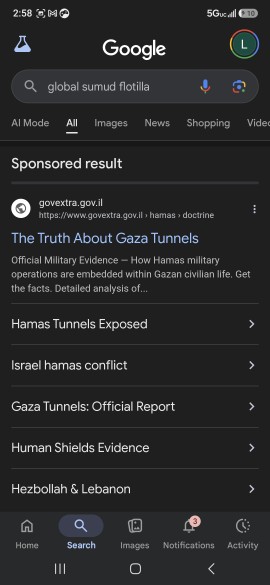
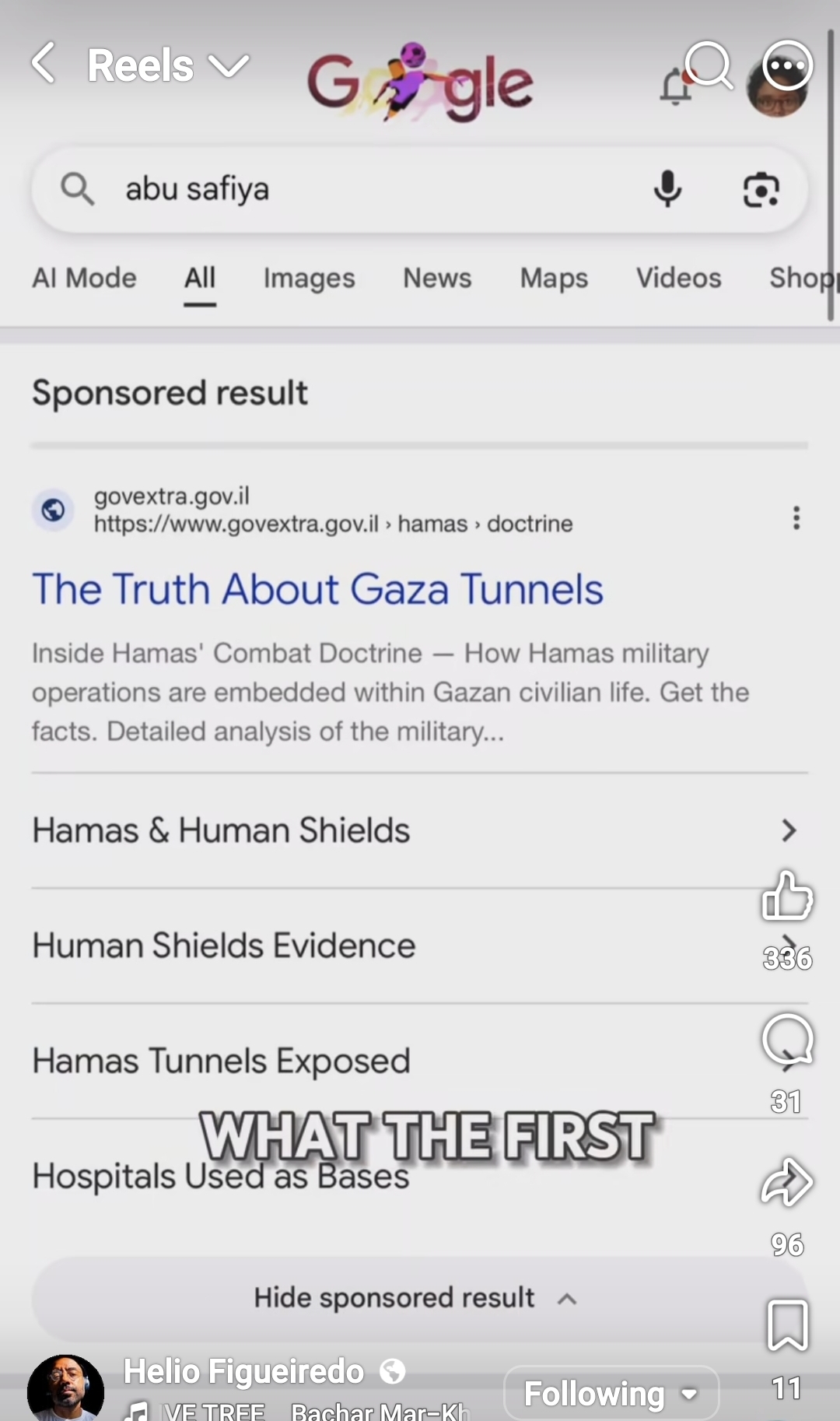
Search rankings, advertisements, sponsored results, personalization, and algorithms influence what appears first in search results. Verify important claims through multiple independent sources, follow information back to its original source whenever possible, and never assume that the first or sponsored Google result is automatically the most reliable. -
Back up the backup to the backup.
Backup accounts are essential when social-media platforms can suspend, restrict, disable, or otherwise limit access to an account. Maintain more than one communication channel, preserve your important content outside the platform, and keep additional legitimate backup accounts where platform rules permit them. One account should never be the single point of failure for your audience, contacts, or archive.
Independent Project Investment
The Cost of American Nobody
American Nobody is not funded by an organization. This is an independent project built through donated time, personal resources, and a slightly unreasonable number of hours behind a laptop.
| Investment | Amount | Estimated Value |
|---|---|---|
| Volunteer Development & Research | 4,816+ hours over 344 calendar days Estimated at 14 hours per day from September 24, 2025 |
$240,800.00 Illustrative valuation at $50 per hour |
| USB / Data Storage | $279.78 one-time | $279.78 |
| AI Development Tools | $60.00 per month | ≈ $678.12 |
| GitHub | $9.99 per month | ≈ $112.91 |
| Phone & Devices | $235.98 per month | ≈ $2,667.07 |
| Documented Personal Cash Investment | Since September 24, 2025 | ≈ $3,737.88 |
| Additional Project Assets & Contributions | ||
| Research Archive | Approximately 5 TB of collected screenshots, documentation, research material, media, source references, and archival material. | Not separately valued |
| Original Written Content | Articles, biographies, memorials, journal entries, research summaries, translations, website copy, and other original written material. | Not separately valued |
| Photography & Artwork Acquisition | Images, visual references, memorial artwork, graphics, and other website media. | Not separately valued |
| Website Design | Page concepts, layouts, responsive design, interactive features, galleries, memorials, archives, and visual systems. | Included partially in labor; no separate design valuation |
| Software Development | HTML, CSS, JavaScript, responsive functionality, accessibility work, debugging, forms, animations, and reusable UI systems. | Included partially in labor; no separate software valuation |
| Research & Verification | Source research, social-media verification, humanitarian documentation, archival organization, and fact checking. | Included partially in labor; no separate research valuation |
| Digital Archive Infrastructure | Organization and preservation of project materials, screenshots, media, source references, and historical records. | Not separately valued |
| Intellectual Property | Original project concepts, page designs, written material, workflows, branding, research organization, and custom implementations. | Not independently appraised |
| Total Estimated Investment Minimum Quantifiable Investment |
Volunteer labor + documented expenses | ≈ $244,537.88 |